Issue 4 — 27 March 2026

The Pineapple

A collection shaped by the voices of the Brida Community

Created by Members of the Brida Community.
Compiled by Frank Peters, Founding Editor.
Shaped in Spirit by Janita Le Grange, Keeper of the Flame.

Contents

source
The Pineapple

The Quiet Power of Recharging


Why rest is not the opposite of progress—but its foundation

There is a moment most of us recognize.

You are sitting at your desk, looking at the same sentence for the third time. Or standing in your kitchen, unsure why you walked in. Or answering a message you don’t really have the energy to answer.

Nothing dramatic has happened. No crisis. No collapse.

Just… low battery.

And yet, what do we usually do next?

We push.

We reach for coffee. We open another tab. We tell ourselves: just one more thing.

But what if the real skill—the one we were never taught—is not how to push through…
but how to step away?

Rest is not a reward

Somewhere along the way, rest became something we earn.
After the work. After the effort. After the exhaustion.

But that model quietly breaks us.

Because by the time we “deserve” rest, we are already depleted.

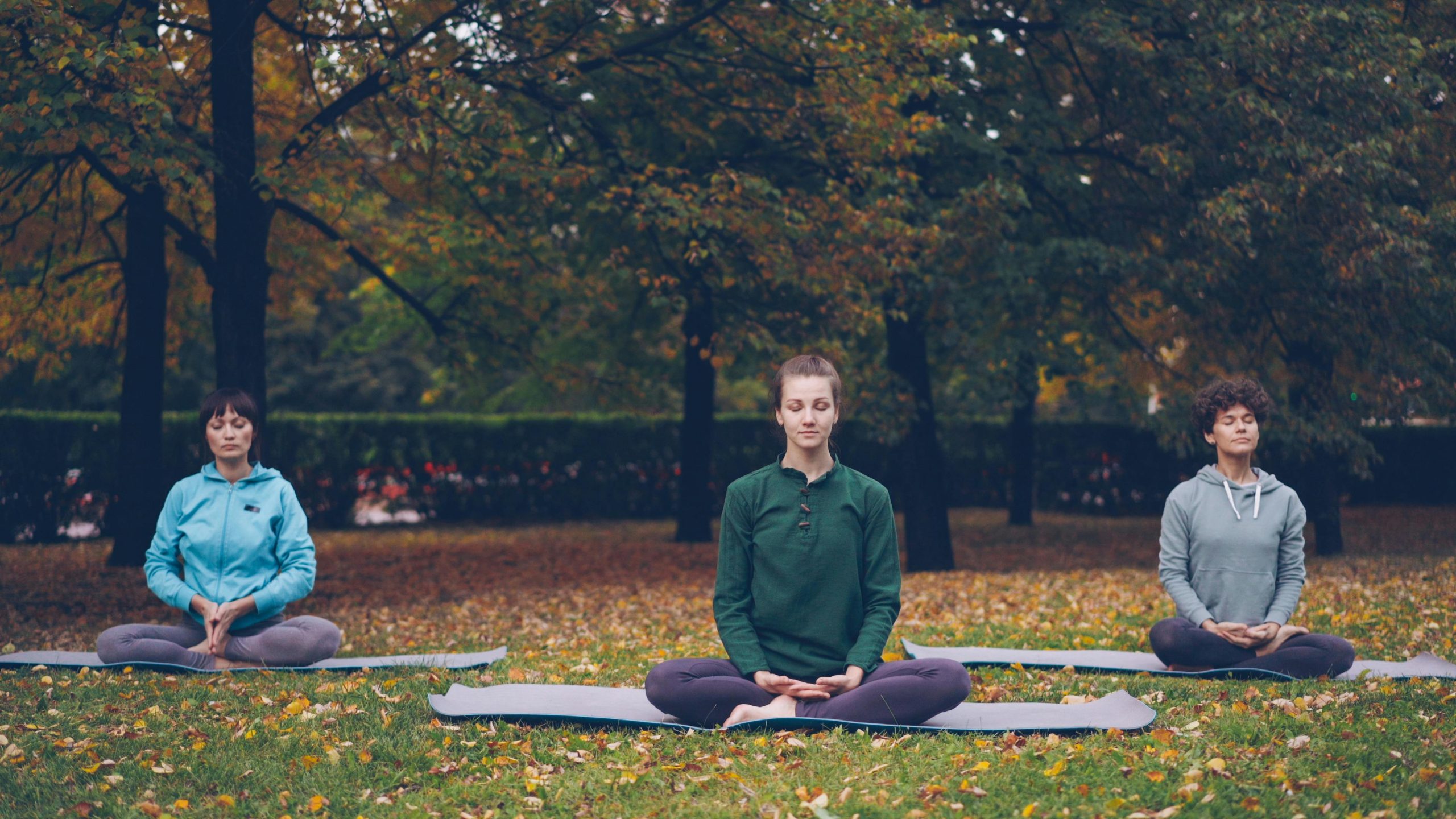
Recharging, in its simplest form, is not passive. It is intentional. It is scheduled. It is a decision to restore your mental and physical capacity before it disappears completely .

This is the shift:
From seeing rest as an afterthought…
to treating it as part of the system.

The small reset that changes everything

Not all rest needs to be dramatic.

In fact, some of the most powerful forms of recovery are almost invisible.

A short walk.
A few deep breaths.
Looking out of a window and letting your eyes rest.
One song, fully listened to.

These are micro-recharges—tiny interruptions that stop the slow leak of energy before it becomes exhaustion .

They don’t require planning.
They don’t require permission.

But they do require awareness.

Because the difference between someone who burns out and someone who sustains their energy is often not intensity…
but interruption.

The deeper kind of rest

And then there is the other kind.

The one we tend to postpone.

Longer, quieter, less productive-looking moments—an hour with a book, an afternoon without input, a walk without a destination, a night of real sleep.

This is deep restoration.

It is not about switching off completely, but about stepping out of constant demand. It is where the body recalibrates, the mind settles, and something deeper refills .

Without it, we can function for a while.

But not sustainably.

From repair to design

Most people treat rest as repair.

Something to do when things go wrong.

But there is a more powerful approach:
Rest as design.

When you build small recharges into your day, and deeper restoration into your week, something shifts.

You don’t just recover from life.

You create a version of it that is actually livable.

One where energy is not something you occasionally regain—
but something you consistently maintain.

A different kind of ambition

There is a quiet ambition in this.

Not the loud, visible kind.
But the steady one.

The person who knows when to stop.
Who protects their energy without guilt.
Who understands that doing less, at the right moment, allows them to do more where it matters.

In a world that rewards constant motion, this can feel counterintuitive.

But it is, in many ways, the more intelligent path.

A simple question

So here is the invitation.

Not a big change. Not a new system.

Just a question:

What is one small way you could recharge—today—before you actually need it?

Because energy is not something we wait to lose.

It is something we learn to renew.

source
The Pineapple

Letter to the Editor(s)

That’s a very interesting perspective, because it’s one I hadn’t considered before.

I’ve always seen it from the other perspective:

Energy comes from passion and from enthusiasm for something or someone.

But the approach in your article is certainly often overlooked:

You can’t muster any energy with a flat battery, so it’s good to pace yourself

… and not waste so much of it at work 😉

Martin, Kassel, Germany

source
The Pineapple

When Business Sits Down and Becomes Human

It is Monday morning, and I sit there with my coffee, thinking how strange it is that something as simple as food can change everything between people.

I always liked good food. Not just eating—no, the whole thing. The smell, the place, the people sitting together. For me, that is where business really starts. Not in a meeting room with PowerPoint and bad air, but at a table where someone says, “Come, sit, have a drink.”

I remember one of the big meetings from my old job. We didn’t go to some cheap conference hotel. My boss said no, we do it properly. So we met in Schwarz, near our factory, and in the evening we went to Innsbruck, to the Hofburg. They built a kind of glass house inside, like a greenhouse, full of light. During the day it was all structured—stands, information, distributors walking around, asking questions. Very correct, very organized.

But the evening… that was something else.

There was music, a live band, even a show where people danced and built a grinding tool with their bodies like a kind of theatre. And the food—ah, the food. Tuna, just slightly cooked on the outside, still raw inside. Potato cakes with salmon and horseradish. Later deer, carpaccio so thin you could almost see through it. Steaks that were perfect.

I was there for several days, and yes, every evening it was almost the same. Same music, same menu. But still, every evening felt different. Maybe because people relaxed more. Maybe because after a few hours together, they stopped being “distributors” and became just people.

And then I remember another event, even better in a way. We took our distributors to Copenhagen. From there by train to Malmö. Old town, small hotel, and in the evening we brought them to a place near the sea. We had two big barbecues on the terrace—one for fish, one for meat. The theme was something like “Mexico meets Indonesia.” I still don’t know exactly what that means, but I remember the taste.

You walked with your plate, chose your ingredients, and the cook prepared it fresh. Salmon, shrimp, meat, spices… everything. People were laughing, walking around, talking. No pressure. No formal structure. Just connection.

That is the difference.

Because I also know the other side. Recently I was in Frankfurt, in a hotel meeting room. Small room, good coffee machine, yes. Nespresso, very nice. But the feeling… it was not the same.

Because I also know the other side. Recently I was in Frankfurt, in a hotel meeting room. Small room, good coffee machine, yes. Nespresso, very nice. But the feeling… it was not the same.

We sat there, listening, waiting, looking at the new sales director. Nobody really knew what would come next. People were careful. Polite. But also a bit tense. And for me, speaking English three days nonstop—it makes me tired. In the evening we ate in the hotel. It was okay. You don’t go hungry. But nothing stays in your memory.

That is the thing. You forget these meetings very fast.

But I never forget the evenings at a table.

I learned this over many years. There was one customer—I went to him for four years. Four years. Always the same answer: no. He had his suppliers, his system, everything was fixed. And still I came back, again and again. Not pushing, just talking, explaining, showing what we could do.

Then one day I said, come, let’s go eat.

We sat in a restaurant in Kiel, nothing special, just a good place. We talked, we laughed, we ate. And suddenly, he looked at me and said, “Okay. You come next week. We talk again.”

That was the moment.

Not because of the food alone. No. It was all the time before, all the conversations. But the dinner—that was the highest point. That was where everything came together.

In an office, the phone rings, people come in, there is always something. You never have full attention. But at a table, in the evening, there is nothing else. The person is there. Present. Listening.

And something changes. People become more honest. More open. They speak not only about business, but also about life. You start with technical details, and suddenly you talk about family, about problems, about plans. And then you understand each other.

I always let the other person choose the restaurant. It’s simple. I ask, “Where do you like to go?” For me, it doesn’t matter. I eat almost everything—okay, not cats, not dogs, not hedgehogs. But everything else is fine.

And I never put my phone on the table. Never. I hate that. When someone sits there and talks into the phone while you try to have a meal—it destroys everything. A meal is respect. It’s time together. You don’t share that with the whole room.

Sometimes, after dinner, we stay longer. One more drink. Maybe go to the bar. Then the conversation becomes even more relaxed. Private. Human. That is where trust grows.

In a meeting room, you talk facts. Numbers. Conditions. It is necessary, yes. But it is only the first step. The real work happens later, when people feel comfortable.

I like both worlds. You need both. First the structure, then the connection. But if I have to choose, I always choose the table.

Because I have seen it again and again—good food, good atmosphere, good company… that is when people open up. That is when decisions happen without pressure. That is when business becomes something more than business.

It becomes a relationship.

And those are the things I remember. Not the slides. Not the meeting rooms. But the evenings. The taste of the food. The sound of laughter. The feeling that for a moment, everything was simple.

That is where the real deals are made.

source
The Pineapple

The Red Card That Made Sense — Until It Didn’t

He didn’t look like someone who had made a mistake.

That was the strange part.

Alexander sat there calmly, almost thoughtfully, describing the moment that had taken him off the pitch. A red card. Two games suspended. The kind of thing that, from the outside, looks impulsive. Emotional. Maybe even reckless.

But the way he told it, it didn’t feel like that at all.

There was a pass. Two defenders outplayed. A striker running alone toward the goal. And Alexander, two meters behind, already knowing what would happen next.

He didn’t panic. He calculated.

Two thoughts, he said. Either the striker scores, or I stop him.

So he pulled the shirt.

Not aggressively. Not dramatically. Just enough. The striker felt it, went down—clever, he admitted—and the referee had no choice. Last man. Red card. Clear decision.

At the time, it made sense.

Only later, when the game ended one to four, did the doubt arrive.

“It would be better,” he said quietly, “if he just scored.”

That sentence stayed in the room longer than the story itself.

Because it wasn’t really about football.

It was about something else—something he has been learning, slowly, over years. That the “right” decision in the moment is not always the right decision in the bigger picture. That control can sometimes cost more than acceptance. That instinct and reflection don’t always agree.

That the “right” decision in the moment is not always the right decision in the bigger picture.

And maybe that’s where the real conversation began.

Because until that moment, it would have been easy to think Alexander’s life was… clean. Structured. Almost perfect. The kind of life where things simply work because the person is disciplined, prepared, reliable.

And in many ways, that’s still true.

He has routines. Principles. A clear sense of what he does and what he doesn’t do. He prepares. He shows up. He builds relationships carefully—brick by brick, as he would say.

But what became clear is that this version of Alexander didn’t just happen.

It was built.

And not from a place of certainty—but from comparison.

Years ago, before the structure, before the stability, before the family, there was a different version of him. Not unhappy. Not lost. But… limited.

He was working as a tool mechanic. The job was fine. Even enjoyable at times. But every day looked the same. The same tasks. The same rhythm. No real decision-making. No freedom to say, today I go here, tomorrow I do this.

And then something changed.

Not suddenly. Not dramatically.

Just a table.

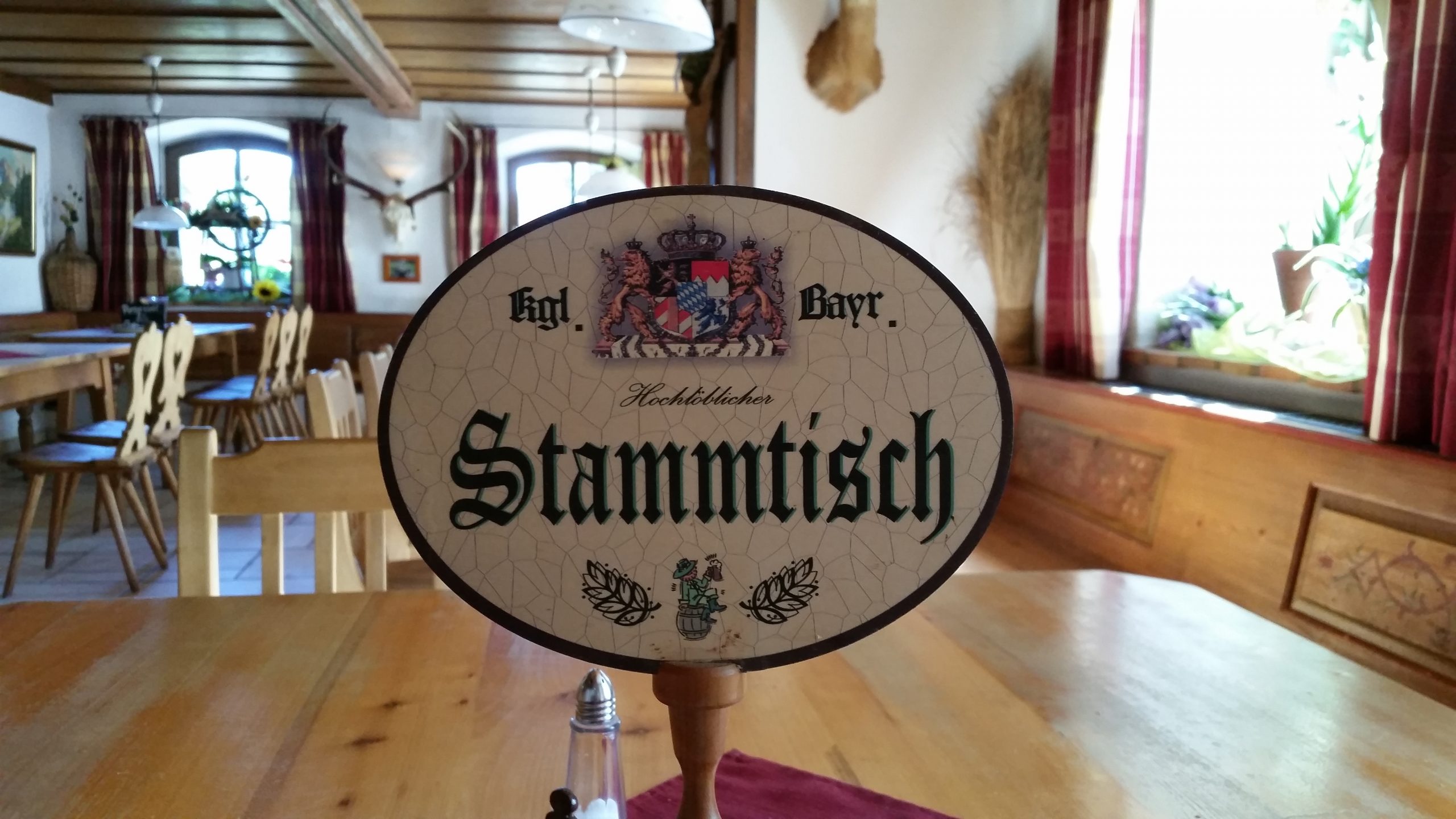
A regular table. A Stammtisch. A group of men who met every Monday. A place you couldn’t just walk into. You had to be invited.

He didn’t join because of ambition.

He joined because his brother was already there.

But once he was inside, something shifted.

Around that table were people who lived differently. CEOs. A policeman. A specialist who built artificial limbs. People who had responsibility. Direction. Presence.

They didn’t talk about theory. They lived it.

And Alexander noticed.

Not in a loud, emotional way. Not with some big decision. But quietly. Observing. Comparing.

“I have to do more,” he realized.

That was the beginning.

From that moment, he started working on himself. Not because someone told him to. But because he could see the gap between where he was and where he could be.

He began reading. Personal development. He watched how these men spoke, how they behaved, how they carried themselves. He didn’t try to copy them. He tried to understand them.

And at the same time, he was honest with himself.

His school education wasn’t strong. His path wasn’t obvious. So he looked for something else—something familiar.

There was a pattern in his family. His father. His grandfather. Sales managers.

And suddenly, that became the direction.

Not because it was easy.

But because it felt possible.

What followed was not smooth.

For a year, he sent applications. Rejections. Again and again. No shortcuts. No hidden opportunities.

Just no.

And that’s where another turning point appeared.

A mentor.

Not someone he paid. Not a formal program. Just a man who saw something in him and decided to help.

Weekly calls. Advice. Structure. Introductions. A different way of thinking.

And slowly, things began to move.

He got his first job in sales.

And from there, the direction changed completely.

Looking back now, it’s easy to draw a straight line. The Stammtisch. The mentor. The career. The life he has today.

But the interesting part is how he talks about it.

He doesn’t say he was lucky.

Even when others do.

There’s a phrase someone once told him—that he was “born with a silver spoon.” That everything came easily. That his life just… worked.

He doesn’t like that.

Because from the outside, yes, it looks like that. A good job. A family. A car. Stability. Respect.

But people don’t see what’s underneath.

He describes it like an iceberg.

The visible part is small. Clean. Impressive.

But below the surface—most of it—is hidden. The effort. The rejection. The decisions. The quiet discipline.

And that’s where his life really exists.

It shows in small things.

In his football team, younger players come to him with questions. Not about life. Not about philosophy. Just simple, practical things about the game. But even that says something.

They trust him.

They see him as someone stable.

Someone who knows what he’s doing.

And yet, even now, he’s not standing still.

In fact, he’s at another point of uncertainty.

For the first time in a while, he’s not sure what the next step is.

He has reached many of his goals. Better salary. More responsibility. A strong position.

But what comes next?

A higher level would mean more time. More pressure. More distance from family.

And that’s where the conflict is.

Because his values are clear.

Responsibility. Family. Presence.

So now the question is no longer “Can I achieve more?”

It’s “Should I?”

And that’s a different kind of decision.

One that no mentor or group can make for him.

Even the Stammtisch—this pillar of his life—has its limits.

For some members, it’s just a club. A place to meet. To talk. To relax.

For him, it’s more.

A space of reflection. Of comparison. Of quiet growth.

There are a few men there—three or four—who matter deeply. Relationships built over years. Conversations that go beyond surface level.

And sometimes, those moments stay with him.

Like when one of them, Severin, told him how much he had developed. How far he had come.

It wasn’t a big speech.

Just a few words.

But for Alexander, it meant something.

Because it confirmed what he had been building—step by step—for years.

And maybe that’s the most interesting part of his story.

Not the red card. Not the career. Not even the transformation.

But the consistency.

The way he doesn’t chase dramatic change.

He observes. He reflects. He adjusts.

Quietly.

Even when he looks back 14 years, there’s no regret. No desire to rewrite anything.

If he could meet his younger self, he wouldn’t warn him. He wouldn’t change his path.

He would simply say:

Go exactly this way.

And maybe that’s why the red card matters.

Because even now—even after all the structure, all the discipline, all the reflection—he still makes decisions in the moment.

Some right. Some questionable.

Some that make sense immediately.

And some that only reveal their truth afterwards.

And he lives with both.

Calmly.

Without drama.

Like someone who knows that life isn’t about avoiding mistakes—but about understanding them, one step later.

Partner Page
Advertisement
source
The Pineapple

Where Energy Lives

It began, quite unexpectedly, with a joke about an “energy tree.”

Three men, sitting across three continents, imagined a place where you could simply pluck energy like fruit and eat it. Ritesh smiled at that image. In India, there is always some connection between nature and life — trees, rivers, seasons — but at the same time, he knew that if such a tree existed, it would not be equally accessible to everyone. Even something as simple as energy would carry layers: age, responsibility, culture, relationships.

That day, what stayed with him was not one answer, but three different ways of living. Three men. Two generations. Three continents. And somewhere in between, a shared question: where does energy really come from?

For Ritesh, it came first in a very small, almost invisible moment — a glass of hot water in the morning. He described it simply, but while speaking, he realised it was not so simple. In India, many things begin as habit and later reveal their deeper meaning. One side is practical — digestion, hydration, health. These are the explanations you will find if you search online or ask elders. But the other side is emotional. The fact that his wife prepares it without him asking. That before the world begins — before work, before expectations — there is already a gesture of care.

For him, that becomes energy. Not dramatic, not loud, but grounding.

At the same time, he cannot see only one side. Because he also noticed something uncomfortable. On days when that routine breaks — when the walk is delayed, when she is not in the mood — his own rhythm breaks with it. And he has to ask himself whether he is creating his energy or depending on someone else to create it for him. This question stayed quietly in his mind.

Across the screen, Ismar’s answer came from a very different place. He did not speak about rituals or relationships. He spoke about appointments. At first, Ritesh found it surprising. But then it started to make sense. Ismar said that on days when he has something scheduled in the morning — something that requires him to wake up, prepare, go somewhere — he feels more energized. And on days when there is nothing, the energy is lower.

It was such a simple observation, but it carried weight. Because underneath it, Ritesh could sense something deeper — a life where structure does not come naturally from surroundings, but has to be created intentionally. A life where energy is not sparked by someone handing you something, but by having a reason to get up. Ritesh respected that.

Then there was the Mayor, sitting somewhere in Europe, bridging both worlds in his own way. He spoke about waking up at 4:15 in the morning, not out of discipline, but because his mind was already active. He described it humorously — ready to swing through the jungle like Tarzan — but beneath the humor, there was something else. A body that had adjusted to its own rhythm. A life stage where energy behaves differently. Not necessarily more or less, just… shifted.

Ritesh noticed how casually generational differences appeared in these conversations. For him, energy is something he is still trying to manage. For them, it is something they are adapting to.

What struck him most was how each man’s energy was shaped by his relationships. For him, it is his wife. For Ismar, it is his mother. For the Mayor, it is both his wife and his aging mother — each in very different ways. And again, there were two sides in each story.

What struck him most was how each man’s energy was shaped by his relationships. For him, it is his wife. For Ismar, it is his mother. For the Mayor, it is both his wife and his aging mother — each in very different ways.

When Ismar spoke about caring for his mother, he did not try to beautify it. He said clearly that it drains his energy. There was honesty in that which Ritesh found rare. In Indian culture, caregiving is often framed as duty, something noble, something you accept without complaint. But Ismar spoke without that layer. At the same time, he also showed understanding — that his mother may not be fully aware, that her reactions are not always intentional. So even in his exhaustion, there was patience.

Ritesh connected with that deeply. Because this is how he also tries to see people — not just what they do, but what might be behind it.

The Mayor added another layer. He spoke about his own mother — still independent, still driving long distances, still active at an age where many people slow down. And yet, there was also fear. The quiet fear of a moment when memory might fail, when she might not find her way back. Ritesh could feel that contrast — strength and vulnerability existing together. Again, two sides.

And then, almost unexpectedly, the Mayor shared a different kind of story — one that stayed with Ritesh longer than he expected.

He spoke about a relationship from many years ago. They used to sit together and read aloud to each other. Not casually, not as background activity, but intentionally. One would read, then the other. Sometimes sitting back-to-back, so there was no distraction, only the voice and the words.

Ritesh found this image very powerful.

Because in his own life, conversation often becomes functional. What happened today, who called, what needs to be done tomorrow. Useful, but limited.

This idea — of sharing something intellectual, something imaginative — felt different. It was not about exchanging information, but about entering the same space of thought.

At the same time, he also saw the other side.

The Mayor said he could not do this with his current wife. It simply did not work. The rhythm was different. The connection was different.

That made Ritesh reflect even more.

Not every good thing can exist in every relationship.

Sometimes, what is beautiful in one context does not translate into another.

And that does not mean one is better than the other.

It simply means… people are different.

When the conversation returned to daily life, Ritesh began to see his own patterns more clearly. Most of his energy is consumed by work. Not just work itself, but the way work happens. The interruptions. The conversations that cannot be avoided. The expectation of being present, even when you do not want to engage.

In many Indian workplaces, you cannot simply step away. If people are talking, you sit. If discussions are happening, you stay. If you withdraw, you risk being seen as arrogant. So you participate — even silently. And that silence also costs energy.

Then he comes home carrying that weight, and here another layer appears. His wife expects conversation — real, focused, intentional. For him, walking together and talking is enough. For her, it is not. For him, silence is comfortable. For her, silence feels like distance.

Neither is wrong.

This is something he has learned slowly — not to see differences as right or wrong, but as different expectations shaped by different experiences. Still, understanding does not always solve the problem. Sometimes, even when you understand, the energy is still drained.

At one point, the conversation became lighter. There were jokes about aging, about hair, about money. Ritesh shared a saying from his place — that people who have more money lose more hair because they are always thinking about it. Everyone laughed. But even in that humor, there was a truth. Stress, responsibility, overthinking — all connected.

Energy is not just physical. It is mental, emotional, relational.

What stayed with Ritesh was how different their sources of energy were, and yet how similar the patterns felt. Ismar finds energy in purpose — having somewhere to go. The Mayor finds energy in rhythm — waking early, moving through the day. Ritesh finds energy in connection — small acts, shared routines.

Three different lives. Three different structures. And yet, all of them navigating the same balance.

If he looks at it honestly, he cannot say one way is better. This is something he has become very careful about. In his upbringing, many things were presented as fixed truths — this is right, this is wrong. But life has shown him that most things are contextual.

Marriage gives support, but also demands effort. Solitude gives freedom, but also creates silence. Responsibility gives purpose, but also takes energy.

There is no perfect arrangement. Only trade-offs.

At the end of that conversation, he did not feel like he had found an answer. Instead, he felt a kind of quiet clarity. That energy is not something you get from one source. It moves between different parts of life. Sometimes it comes from a person. Sometimes from a routine. Sometimes from a responsibility. Sometimes simply from having a reason to wake up.

And maybe the most important part is to notice it.

To notice the small things — the glass of hot water, the early morning appointment, the shared joke, the quiet fear, even the idea of sitting back-to-back and reading to someone you care about. Because these are the places where energy actually lives.

Not in big ideas, but in everyday moments that, if you are not careful, you will miss.

When Ritesh thought about it later, he felt a quiet gratitude. Not just for his own life, but for the chance to see these other perspectives. To understand that even across continents, across generations, across very different circumstances, people are still trying to answer the same question.

How do I live in a way that gives me enough energy to continue?

Maybe there is no single answer.

Only conversations that bring us a little closer.

source
The Pineapple

The great saturated slump

There is a specific kind of heavy that settles into your bones about a week before the school gates finally lock for the holidays. It’s not just the kind of tired that a good night’s sleep can fix; it’s a soul-deep exhaustion that makes the simple act of putting on a pair of socks feel like a high-altitude expedition.

I’ve been thinking about this since last week. When do you actually know it is time for a break? I used to wonder about this back when I was in school, but I don’t think I paid much attention then. I just pushed through. Now, I’m paying attention. The signs are everywhere, and they are written in the language of missed alarms and unfinished coffee.

Since last Monday, we have been late for school every single day. And it isn’t getting better; it’s getting worse. The margin of our “lateness” is stretching out like a piece of old elastic.

The Couch-Potato Protest

The pinnacle of this pre-holiday collapse happened this morning. At 7:00 AM—the precise moment the car keys should be jingling and the front door should be locking—I looked over at the living room.

My son wasn’t just running behind. He wasn’t even sitting up. He was draped across the couch, sleeping soundlessly in a state of pure, unbothered bliss. There was no uniform in sight, no shoes on feet, just a seven-year-old who had collectively decided, on behalf of the entire family, that the term was over.

I stood there for a second, watching him breathe, and I realized: when you know, you know. We are done. We are ready for those eleven days of pure bliss where the alarm clock is a suggestion, not a command, and there are no negotiations over cereal at dawn.

The London of the South

It hasn’t helped that the sun has apparently gone on a permanent sabbatical. We’ve had weeks of rain with almost zero sunshine to break the grey. Since Friday, it’s been a constant, damp curtain over everything.

Yesterday was particularly weird. We all feel a little flu-ish and lazy, a mood perfectly mirrored by the weather. By the afternoon, the roads had turned into rivers. I am seriously contemplating selling my car and buying a boat instead; it seems like a more practical investment at this point.

Everything is soaking wet. The grass is a sponge, the flower beds are drowning, the paving is slick, and the rain jackets are permanently draped over chairs. And then, there is the laundry.

The laundry pile has returned to its “Mount Everest” status, only this morning, it feels like the peak has grown an extra few thousand feet. It’s a monument to a week where nothing ever truly dries.

Unsubscribing from the Grey

This endless rainy loop feels like those spammy emails that hit your inbox every single day. I’ve started going through my digital life, removing and unsubscribing from everything that clutters my screen, but I find myself wondering: where is the button to unsubscribe from this weather? When do I get to sign up for that warm, sunny South African sky again?

To make matters more “interesting,” the digging in the streets continues. The moment the rain pauses, the excavators roar to life right outside our complex. They are using those machines to their full capacity, and the math is simple but messy: rain plus gravel equals a sea of mud.

Everything is slippery, brown, and wet. I won’t even complain about the noise because the rain is loud enough to muffle the engines. It’s just a symphony of sludge.

The Bone-Deep Chill

I am officially considering a move to a tropical island. Somewhere with white sandy beaches and sunshine that actually stays out for more than five minutes. I wouldn’t even mind the occasional thunderstorm, as long as it isn’t this 24/7 drizzle that seeps into your soul.

It is no secret that I hate the cold. I can’t seem to warm up. I take a warm shower, but the moment I step out, the chill catches me. I put on more jackets until I can barely move my arms, and I huddle under blankets like a little old lady, too afraid to move in case I lose a single degree of body heat. My bones feel cold from the inside out.

The Friday Horizon

So, am I tired? Yes. I’ve had enough of the rain, enough of the cold, and definitely enough of waking up in the dark to a house that feels like a refrigerator.

But am I excited? Also yes.

There are eleven days of “sleeping in” waiting for us on the other side of Friday. We are tripping over the finish line, muddy and exhausted, but we are almost there. We aim for the calm, but life—and the South African autumn—has other plans.

The exhaustion makes the rest taste better. The grey makes the eventual sun look brighter.

But Friday? Friday is for the couch.

source
The Pineapple

The Discipline of Avoidance

The Discipline of Avoidance

There is a moment—very small, almost invisible—when a conversation stops being about “health” and starts being about us.

It usually begins with a harmless question.

What is one healthy habit you fully believe in… but actively avoid?

At first, we think we can answer politely. Drink more water. Sleep earlier. Walk more. The usual safe things.

But then Martin says:

“I know watching political discussions on TV is not enlightening, but I can’t help myself.”

And something shifts.

Because now it is no longer about health. It is about compulsion dressed as awareness.

Then Manfred adds:

“Sports injure or kill.”

And suddenly, we are no longer observing them.

We are recognizing ourselves.

Take sunlight.

We all know—we really know—that water, sleep, and sunlight are essential. We have heard it so often it has become almost like background noise. A gentle instruction we politely ignore.

And yet Martin reframes it:

“I think it is my right and duty to avoid the sun in summer.”

Not avoidance. Duty.

There is something strangely satisfying in that. Because it turns something we feel slightly guilty about into something we can defend. Even believe in.

And if we are honest—just a little honest—we all have our own version of this. Maybe not with sunlight. But with something.

Manfred simplifies it:

“Too much sun makes me run.”

Which sounds absurd… until we look at it closely.

Sun leads to movement. Movement leads to effort. Effort leads to discomfort.

So we avoid the sun.

So maybe the real question is not why they avoid sunlight.

The real question is: what are we avoiding—and how convincingly have we explained it to ourselves?

Then comes coffee.

“If coffee disappeared tomorrow, would your personality survive?”

Martin says:

“No! But the real question is if I would survive.”

We laugh.

But we also pause.

Because we all have something like this. Something so embedded in our day that removing it feels like removing a part of who we are.

It might not be coffee.

It might be our phone.

Our routine.

That one habit we call “just a break.”

And then Manfred quietly says:

“I am smart: My plan B is tea.”

And now we see the difference.

Some of us collapse with our systems.

Some of us prepare for their collapse.

And most of us… don’t think about it at all.

Then comes the uncomfortable one.

“You know smoking is unhealthy. So why does it feel… like a structured break for the soul?”

Manfred answers:

“My addiction needs me.”

And something subtle happens here.

Because suddenly, the habit is not weakness. It is structure. It is responsibility. It is a small anchor in the day.

And if we look at our own habits—honestly, without decoration—we might notice the same thing.

They are not random.

They give our day shape.

They tell us when to pause.

When to breathe.

When to step away.

So the question is not why we keep these habits.

The question is: what would we replace them with—and would that feel as comforting?

Then we arrive at something very modern: optimization.

“As ‘001’, do you believe optimization is more important than actually doing the simple things like drinking water?”

Martin says:

“If self-optimization becomes more important than life, the simple things work better. Why keep something simple if you can overcomplicate it.”

We can hear the irony.

But we also recognize the truth.

Because we have done this.

Drinking water becomes a system.

Sleeping becomes data.

Walking becomes performance.

And suddenly, the simplest things are no longer simple. They become things we can fail at.

And when something becomes something we can fail at… we quietly avoid it.

Manfred reduces everything:

“Walking uses energy, sitting saves energy, resulting in a positive energy balance sheet.”

It is ridiculous.

And yet… how often do we choose the easier option, not because it is better, but because it is immediate?

Then comes something that feels cultural—but is not only cultural.

“I am German and I love to complain while sinking in self-pity and telling the world how to do everything properly.”

We smile.

But we also understand.

Complaining gives us the feeling of action without the cost of action.

We feel engaged.

We feel aware.

We feel… involved.

Without moving at all.

So when the question comes—

Why walk for energy when we can sit and complain about having no energy?

—it stops being funny.

Because we already know the answer.

Then excuses.

“What is the most ridiculous excuse you’ve ever used to avoid doing something healthy?”

Martin says:

“I don’t need excuses, I listen to and follow the advice of others.”

It is almost elegant.

We outsource responsibility.

We follow.

And in following, we avoid deciding.

Manfred chooses the classic:

“I have no time.”

And we all recognize it.

Because “no time” is not just an excuse—it is a shield. It protects us from having to look closer.

Then, unexpectedly, something breaks.

“If a two-minute stretch could fix your mood, why don’t you do it?”

Manfred says:

“I actually do this. (seriously)”

And suddenly, we feel slightly uncomfortable.

Because this is not difficult.

Not complex.

Not optimized.

Just two minutes.

Which raises a quiet question:

If something so small works… why don’t we do it more often?

And the answer is not complicated.

Because small things are easy to ignore.

And easy things are easy to postpone.

Then comes the final question.

“If your body could file a complaint against you, what would be the main accusation?”

Manfred answers:

“You do this purposely. You never listen.”

And now the humor becomes quieter.

Because we cannot hide behind ignorance.

We know.

Drink water.

Sleep.

Move.

Go outside.

We know.

So the issue is not knowledge.

It is not access.

It is not even motivation.

It is something simpler—and more uncomfortable:

We are choosing.

And maybe that is the real discipline.

Not the discipline of doing the right things.

But the discipline of avoiding them—consistently, creatively, convincingly.

We build explanations.

We turn habits into identities.

We turn avoidance into something that almost sounds… reasonable.

“If the simplest things solve most of your energy problems… why do you keep choosing complexity?”

Manfred says:

“Inventing excuses is easier.”

And this is the part we cannot escape.

Because it is not just their answer.

It is ours.

And the uncomfortable truth is not that we are confused.

It is that we understand perfectly.

And still… we choose otherwise.

source
The Pineapple

The Architecture of Rest: Coffee, Migraines, and the Quiet Rebellion of Slowing Down

It begins, as many good Lunch meetings do, slightly off-balance.

Frank is talking about invoices. Natalie is planning temple stays and apartment moves across continents. Janita is trying to keep an agenda afloat. And somewhere in between, Rosie arrives—half-smiling, half-suffering, carrying a migraine like an uninvited guest she couldn’t quite leave at home.

And yet, she shows up.

Which, as it turns out, becomes the entire point of the conversation.

Coffee First. Philosophy Later.

If there is a universal language at the Lunch table, it might be coffee.

Not just the drink itself—but the ritual around it. The pause. The permission.

Natalie describes it almost reverently: coffee as a small, accessible doorway into rest. Not dramatic, not scheduled weeks in advance—just a moment to look out the window, speak to someone, or simply be.

Not dramatic, not scheduled weeks in advance—just a moment to look out the window, speak to someone, or simply be.

Frank, naturally, tries to complicate it (“coffee is not always coffee”), but even he concedes its role as a kind of socially acceptable recharge.

It’s a gentle beginning. No grand declarations. Just a shared understanding that rest doesn’t always arrive in silence—it sometimes comes in a cup.

The Quiet Heroism of Showing Up

Then Rosie speaks.

Or rather, she apologises first—for her face, for her headache, for being there at all.

It’s one of those moments where the group shifts almost imperceptibly. The humour stays, but it softens. Frank calls her “absolutely amazingly incredible,” half joking, half not.

And suddenly, the meeting isn’t just about rest strategies anymore. It becomes something more human:

What does it mean to listen to your body… and still choose connection?

Rosie admits something simple but powerful: being in the meeting makes her feel better.

Not because it’s work. Not because it’s productive.

But because it’s this group.

Walking, Cleaning, Running—And the Art of Ordinary Recovery

When asked about daily “micro-recharges,” the answers are refreshingly unremarkable.

Frank walks. Not heroically—just consistently. Morning and afternoon, step by step, kilometre by kilometre.

Janita runs (when the mud allows and the shoes are not too beautiful to risk). She also cleans—finding unexpected calm in order, in surfaces wiped and rooms reset.

There’s something quietly radical in this.

No one mentions biohacking. No one optimises their circadian rhythm.

Instead, they return to the basics:

Janita describes her “fishbowl” room with curtains and soft colours—a place to retreat, not escape.

It’s less about productivity and more about permission.

Planning Rest (Or, the Dangerous Idea That Rest Is Not a Reward)

Then comes the real question:

Why plan rest at all?

Why not just collapse when tired?

Frank answers in his usual slightly provocative way. In some cultures, he explains, you can fall asleep at your desk and it’s understood—you are resetting. In others, rest is treated like failure.

“You have to plan to be spontaneous,” he says.

Which sounds like a contradiction until you sit with it.

Natalie reframes it beautifully: rest is like drinking water. You don’t wait until dehydration to take a sip—you anticipate the need.

And suddenly, rest is no longer indulgent.

It’s preventative.

Necessary.

Architectural.

The Digital Disappearing Act

Somewhere between philosophy and storytelling, the conversation drifts into technology.

Or more precisely—what happens when it disappears.

A few weeks earlier, Fuitloop’s Wi-Fi was cut off. A small inconvenience, one might think.

Except something unexpected happened.

The house changed.

No video games. More time outside. Shared meals. Even a family series in the evenings—watched together, not separately on glowing screens.

Frank latches onto this immediately.

“Take away something and see what’s left.”

It’s not framed as a moral lesson. No one declares technology the enemy.

But there’s a quiet recognition: sometimes disconnection isn’t loss—it’s revelation.

Passive vs. Active Rest (And Why Your Brain Knows the Difference)

The group draws a gentle line between two types of rest:

Natalie puts it simply: if you spend your day on screens, rest probably shouldn’t look the same.

It’s not about rules. It’s about contrast.

About giving your mind something different to hold.

The Sound of a Low Battery

Then, in true Lunch style, the conversation takes a playful turn.

“If your brain had a low battery warning,” Fruitloop asks, “what would it say?”

Natalie hears meditation sounds.

Fruitloop hears SpongeBob cheerfully shouting at her.

Frank hears his cat, knocking on the door, enforcing her own version of reality.

And Rosie?

She doesn’t describe a sound.

She describes a choice.

To show up. To connect. To feel better because she did.

So What Is the Architecture of Rest?

By the end, no one has built a perfect system.

There is no schedule, no framework, no downloadable template.

Instead, something softer emerges:

Rest is not one thing.

It is:

And sometimes, it is the courage to admit you are tired—and still sit at the table anyway.

A Final Thought

Perhaps rest isn’t something we earn after exhaustion.

Perhaps it’s something we design—quietly, imperfectly, in between meetings and migraines and muddy running shoes.

And maybe the real question isn’t when you will rest.

But whether you’ll recognise the moment when your life gently asks you to.

source
The Pineapple

Flour, Focus & Family Life: Inside Cross-Continental English

In a cozy corner of Germany, Babette logs into her weekly English meeting with Janita, her cheerful facilitator dialing in from sunny South Africa. What unfolds isn’t just grammar practice—it’s a lively exchange of real life, full of school struggles, sweet desserts, and the beautifully messy business of motherhood.

From the very first “hello,” it’s clear: this is no ordinary lesson. Babette is juggling family duties before even sitting down, while Janita is making sure her husband and son are fed. Life, as always, moves fast. But today’s conversation quickly turns toward Babette’s daughter, whose school life has become both a concern and a curiosity.

School Days, Gluey Smiles & Quiet Questions

Her daughter’s school stories arrive in fragments—like glue around her mouth after crafting a papier-mâché chicken, or the classic “I don’t know” response when asked about her day. Yet behind these small moments lies something deeper. Babette shares that her daughter has recently been diagnosed with ADD (or “ADS” in German), a quieter, more inward form of attention difficulty.

Unlike the stereotype of hyperactivity, her daughter is dreamy, forgetful, and sometimes withdrawn. Her teacher notes she has become unusually quiet—something both Babette and her family are trying to understand. Is it school pressure? Social dynamics? Or simply part of how she processes the world?

Janita listens carefully, offering both empathy and insight. She explains how children with ADD often struggle with tasks they don’t enjoy—like math—but can become intensely focused on things they love.

And what does her daughter love?

Baking Dreams & Chocolate Fantasies

Enter the sweet escape: baking.

If math brings tears, baking brings joy. Her daughter lights up in the kitchen, helping her dad prepare schnitzel batter or watching her mom craft elaborate desserts. Babette proudly describes a “crunchy strawberry cheesecake” and a decadent creation involving mascarpone, chocolate cream, Snickers, and cornflakes—a dessert so indulgent even Janita admits jealousy across continents.

Food becomes more than nourishment—it’s connection, creativity, and confidence.

Homework Battles & Digital Helpers

Like many modern families, Babette’s household includes a digital twist. Her daughter sometimes turns to a voice assistant – Alexa – for help with homework—efficient, but not always ideal. While it ensures the work gets done, it raises a familiar question: is she learning, or just completing?

Janita relates with her own son, noting how homework at home often feels like a battle, while schoolwork returned from class looks perfect. The difference? At home, distractions are everywhere. At school, structure reigns.

It’s a universal parenting puzzle—one that crosses languages and continents.

The Parent-Teacher Conference Countdown

As the lesson continues, Babette prepares for an upcoming parent-teacher meeting—an event filled with both anticipation and uncertainty. In Germany, these meetings can stretch on, with open discussions and opportunities for one-on-one conversations. In South Africa, Janita explains, they’re often strictly timed—efficient, but less flexible.

Babette hopes to gain clarity: How is her daughter really doing in class? How does her ADD affect her learning? And what support does she need moving forward?

Packages, Planes & The Price of Distance

The conversation drifts, as good conversations do, into stories of sending packages across the world—cookies that never arrive, expensive watches shipped with insurance, and the complicated dance of customs declarations.

Travel, too, comes up. Babette dreams of visiting family in the United States, but the cost of flights during peak holiday seasons makes it a challenge. It’s a reminder of how distance shapes modern family life—bridging continents with effort, patience, and sometimes a bit of luck.

More Than a Lesson

As the session wraps up, there’s no formal conclusion—just warm goodbyes, encouragement, and a promise to meet again next week. Because this isn’t just about learning English.

It’s about sharing life.

Between Germany and South Africa, Babette and Janita build something meaningful: a space where language grows alongside confidence, where struggles are spoken aloud, and where even the smallest stories—like glue on a child’s face or a perfectly baked cheesecake—become moments worth celebrating.

And perhaps that’s the real lesson of all.

source
The Pineapple

Biological baselines & the secret life of energy

On a sunny afternoon, somewhere between school stress and weekend excitement, Sarah logs into her meeting a little late—but glowing. “I’m really happy,” she says, proudly sharing her English test result: 15 out of 20. It’s a small moment, but it sets the tone for something bigger. Beneath the laughter, the corrections, and the casual chat about birthday parties, an important conversation begins—one about energy, and how we actually build it from the ground up.

Because energy, as Sarah and her teacher (affectionately nicknamed Fruitloop) explore, isn’t just about motivation or mood. It starts deeper—at what the teacher calls the “biological baseline.” This is the foundation of how we function every day: the quiet, invisible system powered by sleep, water, sunlight, and movement. When that baseline is low, everything feels harder. Concentration slips. Mood dips. Even simple tasks feel overwhelming.

Sarah already understands this instinctively. “To have energy is to go to bed earlier… don’t look at a screen… don’t eat a lot of sugar,” she explains, piecing together ideas she’s gathered from experience, school, and even TikTok. Her thoughts aren’t polished—but they’re honest, and surprisingly accurate. Fast sugar gives quick highs, then crashes. Late nights confuse the body. Oversleeping can leave you more tired than rested.

What emerges is a portrait of a teenager learning—through trial, error, and reflection—how her body actually works.

The Rhythm of the Body

At the heart of the conversation lies a simple truth: the human body runs on rhythm. Sleep cycles, circadian clocks, sunlight cues—all working together like a quiet orchestra. When Sarah talks about 90-minute sleep cycles, she’s tapping into something real. Wake up at the wrong moment, and you feel disoriented. Align with your natural rhythm, and energy flows more easily.

Her ideal? Sleeping from 20:30 to 6:30—ten full hours. “That really affects my day,” she admits when she doesn’t get enough rest. Bad mood. Long days. Even sneaking a 20-minute nap during math class just to survive. It’s relatable, a little rebellious, and deeply human.

Fruitloop gently reinforces the science: our bodies are wired to follow light. Darkness signals rest; sunlight signals wakefulness. Ignore that system for too long, and the baseline drops.

Fruitloop gently reinforces the science: our bodies are wired to follow light. Darkness signals rest; sunlight signals wakefulness. Ignore that system for too long, and the baseline drops.

Water, Movement, and “Coming Alive Again”

If sleep is the foundation, hydration is the fuel.

Sarah describes it perfectly: coming home after school, drinking water, and suddenly feeling like she’s “alive again.” It’s not poetic—it’s physiological. Water supports everything from brain function to toxin removal. Even mild dehydration can lead to headaches, fatigue, and irritability.

And then there’s movement.

Not intense workouts. Not gym sessions. Just… movement.

Stretching in class. Adjusting posture. Taking small breaks.

Sarah does this naturally—stretching five to eight times during long lessons. “It’s better for me,” she shrugs. And she’s right. Movement increases blood flow, sends oxygen to the brain, and prevents the stiffness that leads to fatigue and headaches.

Fruitloop calls it “movement as fuel.” A powerful idea: energy isn’t something you wait for—it’s something you generate.

Sunshine and the Mood Connection

Ask Sarah what sunlight does, and her answer is immediate:

“It gives me the smile.”

There’s science behind that feeling. Sunlight boosts Vitamin D, supports the immune system, and plays a crucial role in regulating mood. But Sarah explains it in a way science can’t quite capture: when it’s sunny, she wants to do things. When it’s grey, everything feels heavier.

It’s a reminder that energy isn’t just physical—it’s emotional too.

The Myth of Quick Fixes

Coffee. Sugar. Energy drinks.

They promise instant energy—but Sarah already sees through the illusion. “It goes really high… and then it goes down—more than before,” she recalls from a lesson at school.

Fruitloop confirms it: these are spikes, not solutions.

Real energy—the kind that lasts through a school day, a conversation, a moment of focus—comes from consistency. From the boring basics. From the biological baseline.

Small Habits, Big Impact

What makes this conversation powerful isn’t the science—it’s the practicality.

Drink water regularly.
Stretch during long periods of sitting.
Get sunlight when you can.
Sleep enough—consistently.

Even better? Combine habits.

Do squats while brushing your teeth. Walk instead of driving. Use a water bottle with motivational messages. Build systems that make healthy choices automatic.

Sarah sums it up in her own way: “If you don’t have a lot of time, you have to do two things at the same time.”

A Creative Twist on Wellness

As the session winds down, the conversation shifts into imagination—because sometimes creativity helps ideas stick.

Healthy energy habits become an aloe vera plant: healing, simple, essential.
Hydration becomes a tiny dancing character cheering you on.
Movement becomes a lollipop—sweet, energizing, a little fun.

And the perfect song for the biological baseline?

“Walking on Sunshine.”

The Real Takeaway

What Sarah and Fruitloop uncover isn’t complicated—but it’s easy to ignore.

Energy doesn’t come from pushing harder.
It doesn’t come from shortcuts.
It doesn’t come from waiting to feel motivated.

It comes from meeting your body’s most basic needs—again and again, every day.

Because when your baseline is strong, everything else becomes easier: learning, focusing, feeling, living.

Or, as Sarah might say:

“Don’t be lazy today.”

source
The Pineapple

The geometry of the laundry mountain

Schedules are the invisible scaffolding of a sane life. We need them to approve our own sufficiency, to know when to wake up, when the coffee should be ready, and when the day finally ends.

But it becomes complicated when a family is added to the equation. Suddenly, the plan isn’t just yours. It’s a group project. It becomes an endless loop of “What’s for dinner?”—a question that seems to repeat until it loses all meaning. In a work situation, we align ourselves with meetings and breaks, trying to find a rhythm in the noise.

We plan the day to feel in control. But then, life happens.

This week was another rainy, muddy battle in our household. Between keeping the floors clean and thinking about the next meal, I spent my days thinking, “Tomorrow is another try.”

By Wednesday, the laundry basket had officially turned into Mount Everest. But it wasn’t alone. It had a baby. A smaller, yet equally daunting, Kilimanjaro was emerging right next to it.

Then, the miracle happened. A stray ray of sun poked through the grey clouds. I didn’t walk; I ran faster than Usain Bolt to get those clothes into the washing machine. I don’t know how, but I managed to wash, dry, fold, and pack away everything.

In a perfect world, a laundry schedule would be a beautiful, flowing thing. But in my world, it usually takes seven to ten business days just to move clean clothes from the basket to the cupboard. Usually, I end up with things that are still slightly damp or forgotten.

I’ve decided to challenge myself. If the mountains are growing, I need a map. I’m starting a “Laundry Planner” to see if I can actually stay ahead of the peak. The goal: divide and conquer.

The plan is simple:

It looks good on paper. It looks like a solution to the “Endless Pile” problem.

After conquering my mountain on Wednesday, the washing machine is sitting in its spot today—silent and empty. It’s resting up for the job ahead next week. I’m resting, too.

Maybe this new schedule works, and maybe it doesn’t. There is only one way to find out. We aim for the structure because it gives us a sense of direction, but we have to leave room for the days when the rain doesn’t stop and the plan falls apart.

Things change, the weather shifts, and sometimes the laundry just wins for a day or two.

The schedule isn’t there to make us perfect; it’s just there to help us find our feet when the mountain gets too high.

My hiking boots are ready!

source

Monday arrived and Guinea Pig was back to his involuntary waking hour. He felt refreshed. Much better, in fact, and this, he knew, was not a small thing but a signal. Sleep, when it had done its work properly, did not merely restore the body. It restored proportion. It returned the world to scale.

As he entered the kitchen, the calmness of a clean, tidy room seemed almost to meet him at the door. He wandered into the living room and found the same feeling waiting there too. There was a kind of hush in both rooms, the domestic equivalent of someone having laid a hand lightly on the day and asked it to behave.

But his brain was already darting from thought to thought. The pressure of the unstructured day had begun, very politely at first, to creep down into his shoulders.

He did not really know where to start.

So he began where life insisted he must. The cats, whose relationship to planning was one of total contempt, had thrust their own priority upon him: breakfast. He obliged, partly because it was the decent thing to do and partly because once fed, they would return to their proper role of sleeping companions rather than pestering beggars, loudly maintaining that they had never once in their lives received nourishment of any sort. He smiled as he remembered one item on the Dustbusters sheet: Feed Pets. Try not to forget, he thought. Friday, number three cat and a communicator of rare clarity, would leave him in no uncertainty whatsoever if her culinary requirements were being neglected.

He began his usual breakfast routine and then paused. No, he thought. A proper breakfast. Sitting at the dining table. Not a rushed arrangement at the kitchen counter while the pressure of the day kneaded his shoulders like an overfamiliar physiotherapist. So he went to the freezer, took out a bag of home-made bread, boiled an egg, put the bread in the toaster, assembled a chopping board, made coffee, and carried the lot into the dining area. The day was peaceful and promising. It seemed only respectful to meet it in the same spirit.

During the night, a message from a client had arrived, cancelling the 09.30 appointment. The client he usually met at 08.00 was on holiday. Guinea Pig therefore found himself in the rare position of not having to answer to anybody before eleven o’clock. Luxury, he thought, though with the caution of a man who knew that luxury was often simply the name given to an empty patch into which three new obligations would shortly fall.

Still, it was the perfect opportunity to get the challenge underway: Doodlehorse and work routines. The busy mum, except that while he was indeed busy, his busyness was not that of a mum but that of a professional trying to help a ten-year-old start-up limp, trot, and occasionally gallop into a viable future, while also trying to learn Doodlehorse.

Not that Doodlehorse herself had been around for ten years. He had jokingly criticised her for her late arrival, to which she had merely shrugged and said, “But I’m here now.”

Her sense of realism was, at times, frighteningly obvious.

To settle the tangoed waltz of his thoughts, Guinea Pig got out his notebook. He needed a plan. A structure. Something to guide him through the day and, by extension, through the week. He knew this would be the first of two transition weeks. This week: learning to Doodlehorse. Next week: learning to Doodlehorse with his wife back after three weeks away. Then, early April, he would transition to Doodlehorsing alone. Then things would flip-flop again. The arrangement was not unstable exactly. It was simply alive.

Structured flexibility.

He was tired, meanwhile, of the corporate habit of pretending that ordinary life could be improved by renaming it. He had no desire to optimise cadenced windows or align deliverables with strategic rhythms or whatever phrase was currently being used by people who had not had to wipe down a shower after somebody else had left it looking like the aftermath of a municipal flood. As he had discovered on Sunday, cats inhabit time. Humans invent schedules. The question, then, was whether the two states could somehow be made to coexist.

Instead of creating time windows, he created paddocks.

From 08.30 until 20.00 he drew ten of them, empty at first, waiting to be filled. Then came the priorities. Half a paddock was given over to maintaining the new standards Doodlehorse had so gently thrust upon him: sweeping and mopping the downstairs area, meaning the living room, kitchen, and corridors. Two rooms and the downstairs toilet remained undeep-cleaned and would have to wait. Upstairs, the bedroom too would be tackled later. The bathroom was to be cleaned as one went. The rule of the house was that whoever had last used the shower was responsible for wiping it dry and leaving the washbasins in a condition approaching newness. All very democratic, he thought, considering that he was seldom the last person to use the bathroom.

Once he had arranged his paddocks, he sent them off to Doodlehorse for approval. She, as custodian of structure and of all things Doodle, needed to know that phase two of the project had begun. Much to his surprise and joy, she replied that she would be more or less unavailable for the morning. This calmed him. There were certain Monday routines, and it was a relief to know what to expect.

Or rather, what not to expect.

In defiance of the Dustbusters, and out of a wish to visualise his workflows and tasks and all the rest of life’s cluttered furniture, Guinea Pig had begun a management system involving post-it notes. He had shown it proudly to Doodlehorse, who may very well have thought: here I am creating dustbuster sheets, and what does he do? He fills coloured post-it notes. Despair, he reflected, could travel infinite distances.

Still, he persisted.

For some reason, it had proved impossible to acquire a proper cork pinboard, which he wanted for other sheets Doodlehorse was perhaps thinking of preparing. He grudgingly accepted that he might have to use some ugly magnetic boards he had bought several millennia previously. He searched the house for them, but they must have felt neglected and quietly moved out.

For some reason, it had proved impossible to acquire a proper cork pinboard, which he wanted for other sheets Doodlehorse was perhaps thinking of preparing.

“Make your own pinboard,” Doodlehorse had suggested, with the sort of gleeful practicality that can feel, at the wrong moment, like an imaginary knife being given an extra twist.

He thought briefly of the graveyard of abandoned projects from Sunday. The idea had merit, but perhaps not today. So instead he took two A3 sheets of paper, pinned them to the wall, and covered them with his post-it collection. Thus the Doodleboard arrived. The authority of paper, especially the pink notes dedicated to Doodlehorse and the Doodlehorse project, began to fill the office like a spirit newly released from a lantern and determined to stretch its legs after a very long confinement.

Satisfied, Guinea Pig dedicated the next two hours to his first proper priority. The previous week, in a fit of relentless automated efficiency, so that more time and energy might be preserved for the things in life that actually mattered, he had created a process by which producing a weekly journal now took about five minutes. The drawback was that the result hit its two readers on this planet as a hefty PDF file which, by sheer physical and moral weight, risked stunning them before they had even reached the second page.

This would not do.

The PDF had to become a feather.

This required the services of a Fruitbowl, who would guide him through the labyrinth of mysterious languages supposedly designed to make things easier. Easier for whom was never entirely clear. Still, Guinea Pig relished the thought that within two hours a kind of literary nirvana might be achieved.

This was true, in the same way that many noble ambitions are true until other people begin having their own.

By some unusual burst of foresight, he had asked the Fruitbowl to list all the necessary steps to reach nirvana. Then, together, they would slowly, step by step, gracefully ascend.

Except that somebody, somewhere, had clearly put oil on the ladder.

Guinea slipped.

The Fruitbowl, observing this, reached out with a solution, but solutions had their own leisurely pace. And the line of paddocks had already begun to wobble. After ninety minutes, the important part of reaching nirvana had indeed been completed, but the path stretched ahead and he knew there would be a gate at the end of it. This, oddly enough, was where his earlier foresight saved him. He knew he could not finish it all now, but it did not in fact need to be ready until Thursday evening, Friday morning at a push.

There was time.

This realisation came only after he had briefly panicked and thrown the meal plan into disarray. What had possessed him, he could not imagine, to organise a tuna tray bake for Monday lunch, requiring cheese when there was none in the house and shopping was strictly forbidden? It was an absurd plan. The meal plan suggested tortelloni for Thursday evening, so he swapped the two meals and the day was saved.

Civilisation, he thought, rested on such adjustments.

The eleven o’clock meeting came and went. Important information was given. Congratulations were extended. The future was pondered and some questions, as ever, were left unanswered. Lunch and siesta, slightly abbreviated, were managed. A breath of spring air was inhaled with suitable seriousness. The two o’clock meeting came and went, pleasantly enough as it always did. The necessary documentation was completed and published. Time for tea.

And then came the curious realisation that life south of the Sahara was rather quiet. He looked at the space where Doodlehorse was planning to announce their joint efforts. It was empty.

But not to worry, he thought.

The weekly invitation to lunch had not arrived either, but there was always the next day. Flexibility. One needed it at home and at work. There was no point having a philosophy that only functioned in one room.

The next priority, delayed though it was, was the review and forecast on their combined effort to conquer the universe. He had allocated two hours to it. It sat there like a half-baked potato in the oven, and he imagined that the finishing touches would be done quickly.

Guinea Pig and thinking, however, had never been a simple partnership.

He continued working, piecing the fragments together, but an uneasiness had begun to creep up his back. It affected the result. And when it was all done, the potato had become not fully baked but perhaps two-thirds baked, which was in some ways worse. A thing unfinished had honesty. A thing two-thirds done suggested both effort and insufficiency in equal measure.

And then there was the question: was this even really the priority? The silence around him, the silence hitting him, might have been telling another story. Were priorities aligned? Was reality aligned with them? What, beneath all the effort, was actually necessary?

He sent off a message. Job done, he said, but he would hold back unless requested.

Then he turned to piecing together the meeting agenda for their global Tuesday morning summit. It was still a little raw, he thought, but there would be time to adapt it to the situation.

A little later the reply came.

Please send it.

And then it happened.

The door opened slightly and a ray of light flooded the darkness of his brain. It was not a dramatic light, not cinematic exactly, but more the sort of practical illumination by which one suddenly sees that the object one has been tripping over all day was there in plain sight. The real realisation hit him with something like a boxer’s punch to the stomach.

Doodlehorse’s day had not gone to plan.

And that had disrupted everything.

When air began to circulate again, the clarity of the situation became frighteningly obvious. In a partnership, both people suffer the messiness of life. This ought not to have been a revelation. It was one of those truths so simple that people often fail to notice it altogether. Doodlehorse was a response to specific situations. But Guinea Pig, in part, had become the enforcer of expectations, the recipient of the frustration implied in that most exasperating question of all: why not?

Yet even in business, it takes two to dance. And even if the dance floor is nine thousand kilometres long, it can still be slippery. Not out of malice. Not by plan. Simply because that is the nature of floors, of distance, of life, of all arrangements involving two people trying to move in roughly the same direction while the world keeps dropping marbles underfoot.

And somehow their work, because they did want to move the same way, would have to accommodate the more important priorities while still trying to reach the desired goals. The sentence was not beautiful, he knew, but the truth in it was.

Guinea Pig had always prided himself on trying to understand the perspective of things that came towards him. He spent the evening contemplating this failure of understanding. Because that was what it had been. He had failed to recognise that a Doodlehorse was just as vulnerable as anyone else, that when a stone is thrown onto the watery dance floor, it sends ripples out beneath both dancers. Staying upright while moving in the same direction would require a few new steps.

It could be done.

That he did not question.

But how exactly it was to be done would need to be worked out.

So he sent a message, warning Doodlehorse that he had slipped up, but trying also to put the matter in context. He hoped she would understand. Hope, he reflected, was often all one had available once the words had been sent.

Then he crawled into bed with several realisations and the subdued knowledge that his last paddock, watching another instalment of 56 Days, would have to wait until tomorrow.

This seemed, in the circumstances, fair.

Monday had not gone to plan. But then, plans were not sacred objects. They were only sketches of intention, useful until contradicted by the day. What mattered, perhaps, was not whether the paddocks held perfectly, nor whether the potato was fully baked, nor whether every task marched to heel in the approved order. What mattered was something less glittering and more durable: that he had begun to see the shape of the dance.

Not efficiency.

Not perfection.

But accommodation.

There were, he realised, two kinds of order. One was the brittle kind, which required every piece to remain exactly where it had been placed and regarded any interruption as failure. The other was more alive than that. It accepted interruption. It bent to weight. It made room for the fact that other people had days too, difficult ones, surprising ones, derailed ones, and that partnership meant not merely dividing the labour but absorbing the shocks.

That was harder.

And better.

The clean rooms downstairs still existed. The cats had been fed and had resumed their lives of soft unconscious principle. The Doodleboard remained on the wall with its coloured authority. Work had advanced, though not elegantly. A truth had emerged, though not comfortably. And tomorrow morning there would be a summit, an agenda, another arrangement of priorities, another attempt to keep one’s footing on the long wet floor between expectation and reality.

This, he thought as sleep approached, was perhaps what Doodlehorsing really was.

Not the elimination of chaos.

Only a more graceful way of meeting it.

Doodlehorse add on: leaving a tidy office in the evening, including gifts given by cats, is a necessary way to close the day.


The Meals

🔥 Spicy Beef Burger Patties (4 large burgers)

Ingredients

Method

source
The Pineapple

Peeling Potatoes 40: Food, Faith… and Finding What Fills You

We are live. Slightly puzzled, because Zoom has clearly had a quiet little revolution overnight. There is a sign-in button where there wasn’t one before, AI companions hovering in corners, and somewhere between South Africa and France, two entirely different versions of Zoom seem to exist. But that feels strangely fitting, because this episode lives in that same in-between space—between confusion and clarity, between routine and something a little deeper.

Episode 40. Forty weeks of peeling potatoes. And still—remarkably—we’re here. Still talking, still laughing, still finding something worth holding on to.

We begin, unusually, with a warning of sorts. In our line of work, there are topics you simply don’t touch. Religion is one of them. Politics, Fruitloop adds immediately. The two classic no-go zones. The unspoken rule is clear: avoid them if you want to keep things comfortable.

But then comes the pause.

And the decision.

We don’t care.

Not in a reckless way. Not in a provocative way. But in the sense that these things are part of life, and if you want to talk about life honestly, you cannot keep walking around them. The key is not whether you talk about them, but how. Respectfully. Curiously. Without the need to win. Just to understand.

And so, we step in.

It starts lightly, as always. Time zones. The final episode with the one-hour difference. It sounds insignificant, but it hasn’t been. That one hour has quietly shaped everything—meetings, energy, rhythm. And now, on Sunday, it disappears. For a while at least, things will align again. Same time, same place. A small victory, but one that feels bigger than it should.

And then the conversation turns.

The Mayor brings something that has stayed with him. A sentence from a Russian client, who is also Muslim: “I am never alone. God is with me.” He says it honestly—he understands the words, but he doesn’t feel them. It’s not resistance; it’s simply unfamiliar. His world growing up didn’t include that kind of belief. Churches were beautiful, yes. Music was moving. But the connection—the personal certainty—was never there.

So the sentence lingers.

And instead of trying to explain it, Fruitloop brings a story.

A Saturday morning in. A church talk. A radio presenter, from Bloemfontein, speaking about food and God. It sounds, at first, like it might be about dieting, but it quickly becomes something far more grounded.

Fruitloop, describing the talk, begins with a simple question: Why do we eat? The obvious answers come easily. Because we need to. Because it gives us energy. Because it’s pleasure. In France, as the Mayor says, food is practically a conversation strategy—mention it, and you can safely step back while everyone else takes over.

But then the question deepens. Why do we eat when we are sad? Why do we eat when we are happy?

And suddenly, it’s no longer about food.

It’s about chocolate in the freezer. Bread that feels like comfort. Carrots, when you’re trying to behave. It’s about eating not because you are hungry, but because something else is unsettled.

It’s about chocolate in the freezer. Bread that feels like comfort. Carrots, when you’re trying to behave. It’s about eating not because you are hungry, but because something else is unsettled.

The presenter’s story lands because it is ordinary. She describes herself as a middle child—not the first, not the last, just somewhere in between. Loved, certainly, but slightly overlooked. Over time, that creates a small space. Not a dramatic trauma, just a quiet gap.

And that gap becomes a void.

She filled it the way many people do. She ate. Through school, through university, through travels across Europe where every bakery became both a delight and a distraction. She made promises to change, to lose weight, to take control. But nothing really shifted.

Until she stopped focusing on the food.

And started asking better questions.

She began looking back—at herself as a child, as a teenager, as a young adult. She started noticing patterns. And slowly, she realised that food had never been the problem. It had simply been the easiest way to fill something she didn’t yet understand.

What changed everything was not what she removed, but what she found.

She found purpose.

She moved from acting—where she once lay on stage as a silent corpse—to speaking, writing, connecting with people. The energy that had gone into eating found somewhere else to go. And without forcing it, her relationship with food changed. It returned to what it was meant to be: something to enjoy, not something to rely on.

And this is where the story becomes personal.

Because the Mayor turns to Fruitloop and asks the obvious question: what is your purpose?

And she answers immediately.

Doodle Horse.

No hesitation. No searching. Just clarity.

She describes the moment it began. Driving home after dropping her son off at school. A quiet prayer—not dramatic, not desperate. Just honest. She wanted to do something meaningful, something creative, something that used what she had been given.

And then, almost immediately, the idea came. As she drove over a speed bump outside the mall, it arrived—clear and simple. Create something. Write. Design. Combine your experiences with something deeper. Make something that others can use.

And she started.

Not perfectly. In Afrikaans first, which she now questions. With images that are still evolving. With ideas that keep growing. What began as a colouring concept has already started expanding into planners and reflections—something practical, something real, something hers.

Life around it hasn’t magically become easier. Days are still full. Afternoons are still unpredictable. Work still pulls in different directions. At one point, she even had to be stopped—gently but firmly—by the Mayor, who told her to put everything else aside for a day and focus on this.

It wasn’t easy to accept.

But she did it.

And at the end of the day, she said something simple: it had been a good day.

Somewhere in the middle of all this, another thread quietly weaves itself into the conversation. A message. A line that Fruitloop wrote as part of a long message:

“In the Bible it says dont worry about tomorrow because God will provide.”

It is a comforting thought. But Fruitloop grounds it immediately. Yes, there is trust. Yes, there is belief. But it is not passive. It is not about sitting back and waiting for things to fall into place.

You still have to show up.

You still have to do the work.

Trust, in that sense, is not something you assume—it is something you build. Something you earn through action, through effort, through how you live your days.

And suddenly, the idea becomes practical.

The Mayor may not feel belief in the same way, but he recognises something just as real. He sees that Fruitloop has an anchor. Not something abstract, but something lived. It shows in what she creates, in how she structures her time, in the way she returns to what matters—even when things are messy.

And perhaps that is where the conversation gently lifts.

Because whether you call it faith, purpose, or simply direction, the pattern is the same. You don’t fill your life by avoiding the hard questions. You fill it by engaging with them. By creating. By trying. By paying attention.

Food doesn’t fix what is missing.

But finding something that fills you—something that is yours—changes everything.

It doesn’t have to be big. It doesn’t have to be perfect. It can start with a small idea on a morning drive, a notebook, a plan that doesn’t quite make sense yet.

But once it’s there, something shifts.

Tomorrow will come.

There will be challenges. There will be uncertainty.

But if you show up, if you do your part, if you stay open—somehow, things tend to meet you halfway.

And that, quietly, is something worth trusting.

Forty episodes in, still peeling potatoes.

Just… a little more honest about what really fills us.

Partner Page
Advertisement