Issue 6 — 10 April 2026

The Pineapple

A collection shaped by the voices of the Brida Community

Created by Members of the Brida Community.
Compiled by Frank Peters, Founding Editor.
Shaped in Spirit by Janita Le Grange, Keeper of the Flame.

Contents

source
The Pineapple

The Art of the Vanishing Jacket

Life doesn’t nudge; it usually erupts. This week has been a sprawling rollercoaster of reflection—some of it chosen, some of it forced, and some of it so absurd I could do nothing but laugh. In my household, there is simply never a dull moment. You might be rolling your eyes right now, leaning back with your own coffee, and thinking, “Alright, Fruitloop, what happened now?”

It’s a fair question.

The Silence of the “Retired” Circus

The week began with a bit of a shuffle. On Thursday, my mom came to fetch my son for a day out. She spoiled him properly—new clothes, toys, pizza for lunch, and a trip to a “retired” circus. That’s the best name for it: a piece of land with a tent and enclosures for a handful of lions, tigers, a camel, llamas, and a chaotic flock of chickens and rabbits.

My son, being himself, had packed a bag filled with his own board games and toys, convinced he was the entertainment coordinator for the day. When it came time to come home, he simply decided he was sleeping at Grandma’s. He didn’t take no for an answer. And so he went.

Suddenly, there was silence. The kind of quiet that eventually hurts your ears, but is also deeply enjoyable. I didn’t have to explain why the sky is blue. I didn’t have to explain why dogs bark instead of meow. I didn’t have to “know everything.” I just was.

The Altar of Embarrassment

Friday morning, I woke up early and headed to church. I was three minutes late—a “bad hair day” casualty—and I walked in frantically searching for my mom. The minister stopped everything. In front of everyone, he asked, “Who are you looking for? Let us help you find them.”

My mom turned her head, I spotted her, and I basically ran down the aisle. Then the minister added, “Oh, now I recognize you!” I wanted the earth to open up and swallow me whole. Outside, another person joked, “So glad you found your place.” I sat there contemplating my life choices, wondering if I should have stayed in bed to avoid the public spectacle. The last nail in the coffin was a lady bumping into me at the supermarket and stating, “Oh, I know you, you were the lost woman in church.” Everyone knows me now.

When I finally fetched my son, the absurdity continued. He was having pizza for breakfast with my dad—and my dad never eats pizza. My son had left with a small backpack and returned with what felt like a suitcase. It was a large basket, but unpacking it felt like a three-day expedition.

The Roadhouse and the Great Sauce Debate

Friday night, we decided to try the roadhouse two blocks away. I’d tracked them down on Facebook, studied the menu, and decided: we must have milkshakes. Naturally, they were out of ice cream. We drove to a neighboring town, got the shakes, and ordered burgers.

My burger was great. My husband and son? Not so much. My son saw the sauce and decided it was an enemy of the state—he only eats ketchup. My husband ate half of his and surrendered because the dressing was overwhelming. I had to listen to the “sauce complaints” for the rest of the night.

My burger was great. My husband and son? Not so much. My son saw the sauce and decided it was an enemy of the state—he only eats ketchup. My husband ate half of his and surrendered because the dressing was overwhelming.

By Saturday, we sought refuge at a “pitch and putt” golf course by the river. It was beautiful, free, and… completely unmaintained. The grass reached my knees, the greens were cracked, and the mosquitoes staged a coordinated attack. We retreated to the restaurant and ordered a pizza to share. It turned out to be the best pizza we’ve had in a long time. It made all the other disappointments disappear.

The Digital Detox (Again)

We couldn’t go home yet because the digging in the streets had damaged the cables again. No electricity. I suggested a picnic at the sports grounds where I run. We stopped at home to grab a blanket—finding the power back but the Wi-Fi dead—and headed to the river.

Of course, the “relaxing” picnic turned into a fishing expedition. I had to drive back to my mom’s to fetch gear before I could finally sit. Three hours later, as the sun set, I realized it was a great idea. There’s something about the river that resets the clock.

Sunday was for tradition. We met on a farm at 6:00 AM for the Easter sunrise service. Last year was a wall of fog, but this year the sun was beautiful. We had our coffee and rusks, then spent the day lounging with cartoons and an Easter egg hunt.

The Mayor’s Flowers and the Zumba Rhythm

Monday was my birthday. I woke up to coffee I didn’t have to make, cake, gifts, and a house full of balloons. There were even flowers from France! Well, not literally from France, but the Mayor spoke to my husband and arranged a special surprise. Thank you Mr. Mayor! They are my favourites.

I went to my first Zumba class, too. I realized very quickly that I have zero rhythm for hip-hop or aerobics. My coordination for following steps is non-existent, but it was fun anyway. I intend to go back and fail at the choreography all over again.

The Flawless Wednesday (and the Missing Jacket)

School started on Wednesday. Tuesday was a scramble of marking stationery, packing bags, and ensuring no socks were missing. The first day had to be flawless. And it was.

Until he came home and announced he had lost his school jacket.

I sent him back Thursday to find it; nothing. I went myself; nothing. My guess is some other kid is wearing a jacket with my son’s name on it. Those jackets are expensive to replace, and I’m just hoping a decent mom realizes the mistake and sends it back.

The Home Affairs Miracle

Between the jacket hunt and the chaos, I finally tackled a task I’ve avoided for five years: the Department of Home Affairs. I needed our marriage certificate printed and my surname changed on my ID so I don’t have to pay double when my license expires.

Usually, Home Affairs is a 5-hour sentence. I was in and out in 30 minutes. I somehow managed to cut a few corners and jump a few lines in the mess. Nobody complained. Nobody noticed. It was the best experience I’ve ever had there, though the ID photo queue looked like a pilgrimage I wasn’t ready for.

While I was standing in line, my husband messaged: no electricity. Again. Later, the Wi-Fi died because the UPS battery finally gave up. We managed for 10 hours without coffee or internet, just keeping everything together.

The Quiet Count

The rest of the week has been uneventful, and I am ready for the weekend. I might just take my blanket back to the river and count the leaves on the trees. No electricity, no jackets to find, just the water.

Maybe that’s the point. We aim for the flawless Wednesday, but we survive the “cowboy baths”, no TV, and the missing jackets. Life nudges us with a “retired” circus and a church call-out, just to see if we’re still paying attention.

But for now, I’m just looking for the sun, Saturday, and serenity.

source
The Pineapple

One Hour Early, No Recording, and Still Worth Every Minute

There are meetings that begin smoothly—with perfect timing, stable Wi-Fi, and everyone neatly in place. And then there is Lunch with Janita and Frank… which, as always, chose a slightly more adventurous route.

This week’s gathering technically started on Monday. Fruitloop, still glowing from a birthday weekend filled with cake and celebration, sent out the invitations with cheerful efficiency—and one tiny oversight. Somewhere between frosting and festive joy, time zones quietly staged their rebellion. Europe had shifted. The clock had moved. The meeting had not.

Natalie arrived a full hour early.

A small detail, really. But as we’ve learned, small details have a way of becoming the main character.

Fruitloop, already feeling the weight of it, offered a sincere apology—the kind where you can almost hear the internal voice saying, “How did I miss that?” A pen was grabbed. A note was written in bold, unmistakable letters: CHANGE THE TIME! A moment of administrative clarity, if not triumph.

And just when it seemed the chaos quota had been met, the universe gently added one more twist: no recording. Gone. Vanished. Possibly taken by the same mysterious force that handles missing socks.

For a brief moment, it felt catastrophic. No recording meant no safety net, no replay, no tidy reference. But then again, Lunch has never really been about perfection. It lives somewhere between dropped connections, unexpected apartment tours (thank you, Rosii, and your water breaks), and the quiet understanding that things—like people—don’t always run on schedule.

And tomorrow, after all, is Friday.

The Universal Truths We Assume

The mood at the start was… subdued. “I’m fine.” “I’m okay.” The kind of answers that carry more weight than they reveal. Everyone sounded like they were already leaning toward the weekend, energy slightly dimmed, like a room waiting for the lights to come back on.

But as always, conversation did what conversation does best—it shifted things.

Fruitloop, in her usual hosting rhythm, opened with a deceptively simple question:
What is one thing you assume is the same about work in every country?

The Mayor stepped in first, thinking on his feet as expected. His answer landed with quiet honesty: work, at its core, is often seen as a necessary evil. Not always loved, but required—bills have a way of insisting.

From there, the conversation widened. Inequality surfaced—Elon Musk at one end, a labourer somewhere else entirely at the other. Identity came into question too. That familiar line: “What do you do?”—a simple sentence that somehow manages to build a box around a person.

Inequality surfaced—Elon Musk at one end, a labourer somewhere else entirely at the other.

There was agreement all around. A shared recognition that work doesn’t just fill time—it defines, categorises, sometimes even limits.

And then came the cultural surprises.

Fruitloop admitted she once believed the world worked the same hours, the same days. Until it didn’t. Some countries move from Sunday to Thursday. Others pause entirely on Sundays. In South Africa, the rhythm is different again—shops open, life continues, the idea of “closed” becoming almost optional.

The group drifted into memory: shops closing at 1pm on Saturdays, late-night Thursday shopping once considered revolutionary. Now? You can buy almost anything, almost anytime. Convenience has quietly rewritten the rules.

The Great Nap Debate

Then came the question that divided the table more than any global policy ever could:

What if afternoon naps were mandatory?

Natalie didn’t hesitate. “No.” Immediate. Firm. Almost personal. For her, naps felt like stolen time, interruptions rather than rest. She even admitted she might consider moving countries to avoid them—which feels like a strong stance against sleep.

She reflected on Réunion, where heat dictated life’s pace. When the air conditioning failed, the body made the decision for you: rest. Not as a luxury, but as survival.

Rosii saw the appeal—who wouldn’t want a daily nap?—but reality stepped in. Lists. Responsibilities. The quiet pressure of unfinished tasks waiting patiently in the background. Rest sounds beautiful… until your brain refuses to join.

The Mayor, on the other hand, treats sleep like an opportunistic hobby. Waiting rooms, couches, quiet corners—if there’s a moment, he’ll find it. Though his early mornings (3:30am starts included) suggest that rest and routine are still negotiating their relationship. Fruitloop, ever the gentle observer, quietly flagged “overthinking” as a possible suspect.

And Fruitloop herself? Caught in contradiction. Loving the idea of naps, but knowing that 10 minutes can mysteriously become three hours. The Spanish siesta made its appearance—less about sleeping, perhaps, and more about pausing. Eating, connecting, stepping away.

Which, in the end, might be the real point.

Travel vs. Reality

The conversation turned reflective again with a deeper question:

Can travel truly prepare you for working abroad?

The Mayor answered simply: no.

Seeing a place is not the same as living it. Seoul, for example, can be understood intellectually—but that’s different from experiencing its working rhythm firsthand. Service and hospitality might offer glimpses, but they’re only part of the picture.

Zimbabwe came up too—a country often described in extremes, yet with a capital city that feels surprisingly familiar. A reminder that clichés rarely survive real experience.

Nathalie reinforced the distinction: holidays show the polished version. Working life reveals everything else. Structure, expectations, pressures—the parts no travel brochure mentions.

Rosii added a Brazilian perspective, gently dismantling the “easy-going” stereotype. Behind the relaxed image lies hard work, discipline, and effort. Appearances, it seems, are excellent storytellers—but not always reliable narrators.

Camels, Elephants, and Commutes

And just when things were getting thoughtful—because balance is everything—Fruitloop introduced the final question:

Camel or elephant for your daily commute?

Natalie chose speed: the camel. Efficient, agile, no time wasted.

Rosii chose environment: the elephant. Green, lush, alive. A place she feels at home.

The Mayor, ever practical, also chose the camel—fuel efficiency being a surprisingly strong argument in today’s economy. With petrol prices rising, a self-sustaining mode of transport has its appeal. Though he did admit elephants might have superior navigation, thanks to their memory.

And Fruitloop? The elephant. Not for elegance, but for impact. Why sit in traffic when you can simply… walk over it?

Somewhere in there, a nostalgic Rolo advert made an appearance—a reminder that elephants, much like people, don’t forget.

And So, We Land (Softly)

By the end, the energy had shifted completely. What began as a tired, slightly chaotic meeting became something else entirely—lively, thoughtful, and unexpectedly comforting.

Because perhaps that’s the quiet truth underneath it all.

Work may be universal in effort, but everything else—how we speak, rest, connect, and define ourselves—is shaped by culture, by place, by experience. And the more we notice those differences, the easier it becomes to move between them… with a little more patience, a little more understanding.

And maybe that’s what Lunch really offers.

Not perfect recordings. Not perfect timing.

Just a table where things can go slightly wrong—and still turn out exactly right.

source
The Pineapple

Between Clouds and Kitchens

It is funny how some mornings feel wrong from the beginning. This one was like that. After Easter, the calendar says Tuesday, but inside me it still feels like Monday. I sit there with my coffee, still half in the rhythm of holiday, and I think… if nothing matters for a moment — no money, no training, no common sense — what would I do now?

For me, it is very clear. I would not sit here long. I would drink my coffee, maybe in bed first, because that is important, that is a small ritual, you know… and then I stand up, put on my clothes, take my keys, and drive straight to the airport. Not for business. Not for stress. For my plane.

Yes, my plane. Because in my head, in my heart, I am a pilot.

I remember the time in the army, at the naval air station. I was not flying, I was on the ground, a mechanic, but I was always close. And the pilots — when they talked about flying, something happened to me. I stopped whatever I was doing. My ears… they opened like a radar. I listened. Every word. The way they described the sky, the movement, the responsibility… it was not just a job. It was something alive.

And I thought, this is it. This is what I would do if I could choose freely.

So in my dream, on that Tuesday-that-feels-like-Monday, I take off. I go southeast. Vietnam, Thailand, the Maldives… all these places where the light is different, where the sea is not just blue but… I don’t know… like glass with sunshine inside. I fly above the clouds, where it is always bright. No traffic, no noise, no problems. Just sky.

I love especially the moment when you start in the night and arrive in the day. This is magic for me. I had this once when I drove with my first wife to Sardinia. We started at eight in the evening, full dark, and then somewhere in Switzerland the sun came up over the mountains. The light hit the road, the rocks, everything changed slowly… I still feel that moment. For a pilot, this must be ten times better.

But you know me. I cannot only fly. I also think about food.

People always say, “Ralf, you should open a restaurant.” And yes, I love cooking. I really love it. But owning a restaurant? That is dangerous for me. Because when I work, I don’t stop. I go in the morning, then lunch, then dinner, and suddenly the whole day is gone and I am still standing there with my pots. No rhythm, no balance. That is not life for me.

Also, I have a small problem… I don’t like people looking into my pots while I cook. Not even my wife sometimes. When I cook, it is my zone. My timing, my taste, my process. And then someone comes and says, “Maybe less salt.” No. Please. Hands away. When it is finished, then we talk. Before that, no discussion.

So if I imagine a restaurant, I need two kitchens. One for the team, one for me. Like a test kitchen. A place where I can try things, play with ideas, without someone watching every second.

So if I imagine a restaurant, I need two kitchens. One for the team, one for me. Like a test kitchen. A place where I can try things, play with ideas, without someone watching every second.

But if I am honest, there is another job I would take immediately. No thinking. No discussion.

Restaurant tester.

Ah… this is perfect. Flying and eating. Travelling, tasting, judging. I would write my application in five minutes. “I am your man.” Finished.

And now, funny enough, I already start a little bit. On the 18th of April, I am in the jury for the North German barbecue championship. Twelve teams. Three-course menus. Eight of us sitting there, smelling, tasting, judging.

It sounds easy, but it is not. You have to eat everything. Even when it is not good. Even when the meat is too raw or too burnt. You cannot say, “No, thank you.” It is your job. You taste, you decide. Good, bad, okay.

For me, it is simple. It must look good on the plate. The presentation is important. Then the smell. And then the taste. I am not a scientist. I don’t say, “Ah yes, this note, this spice…” No. If it tastes good for me, it is good. If not, negative point. Finished.

And after that? I go to my favorite hotel in Neumünster. An old steel factory. You sit at breakfast and above your head are these big cranes and metal beams. You feel the history. And in the evening… steak buffet. Good meat, simple, strong. That makes me happy again after a long day of judging.

My wife comes with me, but she is not in the jury. She walks around the exhibition, maybe looks at caravans, maybe finds a dog… who knows. We both enjoy in our own way. That is also important.

When I think about all my jobs — the army, Austrian companies, now an American company — I see different worlds. The military was sometimes fantastic, especially when we were abroad. Iceland, Italy, Canada… the people, the stories.

I remember one night in Iceland. Canadian soldiers invited us for something they called “moose milk.” I thought maybe it is something small. No. They cleaned a bathtub, filled it with milk, vodka, Kahlúa, ice… and then fifty people drinking from it. The next morning… not so fantastic. But the memory? Perfect.

Back at the base in Germany, it was different. Too much waiting. Too much nothing. You look out of the window for fifteen minutes and think about nothing. That is not good for me. I need movement, purpose.

But still, those experiences stay. The pilots, the machines, the stories… they shaped something in me.

If I take everything together — flying, food, discipline, tools, rhythm — maybe my real dream job is something else. Something I build.

A place where people cook themselves.

I guide them. I give them tools, ingredients, ideas. But they cook. They learn. Like I experienced once in Hamburg, in a professional kitchen. Small groups, good knives, fresh fish, new techniques. Cooking salmon in newspaper, burning outside but perfect inside… these moments open your mind.

That is what I like. Not just cooking, but showing people another way to think about cooking.

Later, when I retire, I want to do this more. Teach people. Maybe write children’s books. Cooking is a dream job. Writing is more for my soul. Quiet, personal.

Of course, every job has something I don’t like. For me, it is people who always know better. These “Klugscheißer.” They stand there, 18 years old, no experience, and tell you how to do things. This is difficult for me. But okay… you accept it. Because most people are good. And life is easier when you focus on that.

In the end, for me, the most important thing is freedom. Not fun every second. Freedom. To choose, to move, to live.

If I ever open a restaurant, it will be mostly fish. Maybe 70%. Good fish. Clean, fresh. The rest — beef, but only the best: Galloway, Angus, Highland. And I would make something like tastings, same dish, different meat, so people can learn the difference.

And the best part? The guests become the jury. They decide what stays on the menu. Not me. That keeps it honest.

So what is a dream job? For me… I think you find it. You feel it. Like when I heard the pilots talking, or when I stand in a kitchen with good tools and good products.

It is like a good meal. You recognize it immediately.

And sometimes, on a Tuesday that feels like Monday, with a coffee in your hand… you can already taste it a little bit.

source

On a bright, sunny morning, Fruitloop sat down with Maxime, and within minutes it was clear that this was no ordinary student catch-up. Maxime, an engineering student with a packed schedule and a mind constantly racing toward the next challenge, had already started the day with classes and a team presentation on the geopolitics of energy, focusing especially on biomass in Brazil. Better still, the presentation had gone down well. According to Maxime, the teacher said it was very good, which set the tone for a conversation full of movement, ambition, and momentum.

But while school was going well, life outside the classroom was already shifting. Maxime had spent the weekend doing something more emotional than academic: sending off his bike. Even though it was a complicated moment, he felt good about the person who bought it and was happy it had gone to someone fun. At the same time, he had also begun clearing out his apartment, including selling a chest of drawers as he prepared for the next stage of his life. The date was already fixed. On the 29th of April, he would leave Laval, heading first to Lyon for the individual French gymnastics championship on the 1st of May, then to Alsace to stay with his parents for two weeks before leaving for the United Kingdom.

That move to the UK is exciting, but also stressful. Maxime still has not secured an apartment, and he has two house meetings planned in the hope of finding a place to live. What struck Fruitloop was how different the system sounded compared with France. Instead of simply renting a flat, Maxime explained that many UK housing arrangements involve sharing a home with the owner already living there. For him, it felt unusual, especially since in France shared housing is usually just between students or tenants, without the owner living in the same house. Fruitloop found the comparison interesting and mentioned that similar communal student houses also exist in South Africa, especially around larger universities.

Then came the real headline story: Maxime’s gap year project. Fruitloop had been waiting to hear about it, and Maxime did not disappoint. He described a recent meeting with the chief mechanic of Loeb Premedia Motorsport, a fresh and ambitious team focused entirely on Dakar Rally competition. The project, as Maxime explained it, has roots in a previous team where he had already completed his first internship. That earlier structure had spread itself too thin across too many motorsport disciplines, from Dakar Rally to WRC and luxury cars, making it difficult for engineers and mechanics to focus properly. The old team was shut down, and a new one was created with a more strategic vision.

The new structure is built around Sébastien Loeb and a partner company involved in communication, sponsorship, and high-level partnerships. Together, they launched a new motorsport branch with a clear mission: focus on Dakar. The team retained the engineers and mechanics but narrowed its energy to one discipline. Their major partnership is with Polaris in the United States, and this is where Maxime’s future role becomes especially exciting. Polaris provides the buggies, which then need to be reinforced, modified, assembled, and prepared for extreme rally conditions. For now, the process is still rough around the edges. Parts arrive as prototypes, often without reference numbers or a clear logistical structure. That, quite simply, is where Maxime comes in.

His role during the gap year, which will run from October 2026 to September 2027, sounds like a dream for someone who loves both engineering and systems thinking. He will help create full logistical kits, reference systems for parts, user manuals for mechanics, and a more efficient structure for assembling the buggies quickly and accurately. He will also be involved in organizing the trucks and the logistics behind rally operations, including Dakar preparation and everything needed afterward to strengthen the partnership with Polaris. The long-term vision is even bigger: to become the official Polaris concession in France, then Europe, and maybe one day even Asia and Africa. Fruitloop was clearly impressed, and with good reason. Maxime would not just be joining a project; he would be joining it right at the beginning, helping shape its foundation.

Even more promising, the team wants him for the long term. Maxime explained that they would be happy to welcome him back in five or six years if he first explores other opportunities, perhaps even in Formula 1. For him, this makes the project even more attractive. It is close to his parents’ home in Alsace, connected to one of the greatest names in motorsport, and full of growth potential. As Maxime put it, it could become a very big project, especially if the partnerships grow as expected.

Before that gap year begins, though, there is another stop on the map: Continental. From May to September, Maxime will complete a four-month internship there as part of his fourth year of study. At the moment, the exact details are still unclear. He knows he will be doing 3D modelling and working on electric motors, but the company itself is undergoing changes. Continental has split into two branches, with tyres remaining under the Continental name and the engineering side shifting into a new structure. Fruitloop noted that they are often known for tyres, but Maxime was quick to explain that the branch where he is going does not deal with tyres at all. It is a more technical engineering environment, and while he does not yet know precisely what his job will involve, he plans to email them soon to get more details.

From May to September, Maxime will complete a four-month internship there as part of his fourth year of study.

As if all that were not enough, Maxime also has exams in two weeks. They fall on a Monday and Tuesday, immediately after a team qualification event in gymnastics and a long weekend trip back to Alsace. The journey itself is a marathon: 800 kilometres by train between Friday and Sunday, just before the exams begin. Fruitloop joked that this would make for seven hours of studying on the train each way. Maxime agreed without hesitation. For him, studying on a train is not a problem. With AirPods in and full focus, he is perfectly capable of turning travel time into productive revision.

And then there is gymnastics, the other great thread running through his life. Here too, Maxime had good news. He qualified for the individual French championship and was pleased with his ranking. In his category, 90 athletes qualified, including four members of the French national team, so the level is extremely high. The competition is divided into Final A and Final B, and Maxime believes that if his ankle is in good shape by the championship, he could finish somewhere between the top 10 and top 20. In fact, with his best vault and a fully recovered ankle, he thinks he could even reach the podium in Final B. The problem is timing. His ankle is improving, but slowly, and he is still going to physiotherapy three or four times a week. There is a big gap between what he can do when the ankle is not ready and what he can do when it is at 100 percent.

Still, he remains realistic. He is focused not only on the upcoming championships but also on the bigger life changes ahead. After the individual event on the 1st of May, he will also compete in the French team championship on the 15th of May, where his team of seven will rely on four gymnasts per apparatus, with the best three scores counting. Yet despite his commitment, Maxime is already thinking about giving his body a real break. After 17 years of gymnastics, with no rest period longer than about three weeks, he feels he needs four months away from the sport during his UK internship. He still plans to stay physically active through running and strength training, but he wants to step back from gymnastics itself and allow his ankles, back, and whole body the recovery time they deserve. Fruitloop thought that sounded wise, especially for someone who clearly has the discipline to rebuild his level later.

That discipline, it turns out, did not begin in the gym or in engineering school. It began much earlier, with Maxime’s first job. When Fruitloop asked about it, Maxime immediately thought of working for his father, who started a company around 15 years ago doing repair work for private clients and supermarkets, as well as technical housework and garden jobs. Maxime first helped out when he was only 12, and by 16 he had a real summer contract. He worked hard during school holidays, not only to earn some money but also to support his father.

The work was physical and demanding. He remembered carrying heavy motorized tools, including different types of chainsaws, and starting as early as 6 a.m. during hot summer days to avoid the worst of the heat. The schedule was practical: start early, take a long break during the hottest part of the afternoon, and finish with enough time left to rest. Some days meant one garden, some days more, depending on the size of the job. Fruitloop asked how it felt to receive that first paycheck, and Maxime smiled at the memory. It was a very good day, although he did not rush out to spend the money. His mother, an accountant, and his parents generally had taught him to save first and think long term. Since he did not feel he needed much at 16, he simply kept the money for the future.

Later, that instinct for saving developed into an interest in investing. Maxime described using a platform where professional traders invest their own money and users can copy their strategies. He appreciated being able to study their long-term performance and felt reassured by the fact that they had real experience and real money at stake. Fruitloop, with some caution, warned him that these systems can be risky and that people need to be careful whom they trust. Maxime agreed, but explained that in France, keeping money in a bank with low interest while the cost of living rises quickly can feel like losing money. For him, careful investing made more sense than letting savings stand still.

When Fruitloop asked what skill from that first job he still uses today, Maxime first suggested discipline, though Fruitloop reminded him that discipline probably came even earlier, from his upbringing. After reflecting, Maxime landed on something more practical and perhaps even more revealing: knowing how to work with his hands. Because his engineering school required hands-on internships in garages and workshops, his early experience with tools, repairs, and physical tasks had already given him a useful advantage. He now sees that good engineers should understand mechanics in a concrete way, not just in theory. That practical background, he said, will help him create better manuals, such as the ones he expects to produce for the Polaris buggy project.

Then, in one of the most entertaining parts of the conversation, Fruitloop turned the discussion into a series of vehicle metaphors. If Maxime’s first job were a vehicle, what would it be? His answer came quickly: a strong 4×4. It made perfect sense. The job involved carrying tools, towing a trailer full of garden waste, and driving across rough terrain, including farm roads where his family dumped the waste. A 4×4, he said, represented that work perfectly. It was strong, practical, and built for difficult ground.

From there, Fruitloop kept going. If the feeling of earning his first salary were a vehicle part, what would it be? Maxime, after a pause, chose an electric system, partly inspired by the rising cost of fuel. When the conversation moved to car brands, Maxime did not pick Ferrari or Porsche. Instead, he returned to his father’s company and its spirit. The company name, he felt, already said everything: it offered different services and always found solutions. Fruitloop gave him the perfect English phrase for that: a “jack of all trades.”

That expression fit even better when Maxime shared a wonderful story about his father’s creativity. Once, during motocross, Maxime crashed and broke the clutch lever on his bike. Rather than giving up on the weekend, his father improvised a replacement using a piece from the terrace they had recently built. With that homemade solution, Maxime was able to continue racing all weekend. It was a perfect example of the family talent for solving practical problems with whatever was available.

By the end of the metaphor game, Maxime imagined his first job not as a polished luxury sports car, but as an exposed 4×4 without body panels: one seat, visible chassis, engine, and raw functionality. It was not elegant, but it was real. The engine, he said, would be his father, the driving force of the whole operation. The company itself never expanded much because his father chose to keep it that way. After 25 years in the military, he preferred to work for himself rather than build a larger business. Still, Maxime could see that if his parents had wanted to grow it, they probably could have. The strength was there.

By the close of their conversation, Fruitloop summed it up beautifully. Maxime is standing in front of many open doors. Between engineering, motorsport logistics, international study, elite-level gymnastics, and the practical wisdom he gained from working with his family, he is building a future with both technical depth and human resilience. He may be moving apartments, crossing countries, nursing an ankle, revising on trains, and stepping into uncertain new opportunities, but there is no doubt that he is moving forward.

And if his life at the moment feels a little like that stripped-back 4×4 he described, then perhaps that is exactly the point. The essential parts are already there: a strong engine, a clear direction, and someone in the driver’s seat who knows how to keep going.

source
The Pineapple

Campus Cosmos, Crepes, and Championships

There are ordinary school weeks, and then there are BDE campaign weeks—the kind that turn a campus into a festival ground and make even the most serious students pause, laugh, and remember that university is supposed to be lived, not just survived. When Fruitloop logged in to speak with Maxime, he was not tucked away in a quiet study corner. He was sitting in front of his school, in a car, waiting for a meeting about his apartment in the UK for the following month, while all around him campus life was in full swing. The connection flickered, the cameras nearly went off, and the conversation began with the easy chaos of real life. It felt fitting, because the subject of the day was not discipline or deadlines alone. It was fun.

Maxime explained that the week was special because of the BDE campaign, a tradition deeply rooted in French university life. The BDE, he said, is the student association responsible for creating a good life for students. It organizes events throughout the year—integration weekends, parties, after-work gatherings, activities during the day, and affordable food at the cafeteria. Every year, a new BDE is formed by around twenty to twenty-five students, and during the campaign period they go all out. For three days, from Tuesday to Friday, the school becomes something close to a celebration village, covered in huge decorations, filled with music, and charged with that unmistakable sense that something bigger than routine is taking place.

Classes do continue, technically. But during BDE week, “continue” is a flexible idea. Maxime described how students still go to class, but if they are not in the mood to stay, they can call the BDE, who might arrive, bring the fun directly into the classroom, and even lure students outside. Sometimes, he said with amusement, they can even “capture” the teacher and take them away. Fruitloop loved the image. It was the kind of playful rebellion that makes academic pressure feel human again.

And the BDE does not stop at decorations and disruption. Each morning during the campaign, students are welcomed with breakfast—crepes included. After school, there are after-work events from 7 p.m. to 10 p.m., and on that particular evening there was even a big celebration with an open bar. Fruitloop immediately recognized what that meant: a long night ahead. Maxime laughed, but he was careful to add an important detail. He would celebrate, yes, but not too late. He was preparing for the French Championship in gymnastics, and that meant his choices still had to be responsible. Fun mattered. Discipline mattered too.

That balance—between joy and responsibility—became the heart of their discussion. Maxime admitted that this moment with his friends was precious because it was the last year they would all experience this together. In only three weeks, many of them would no longer see each other as they did now. So yes, he wanted to enjoy the campaign, to laugh, to stay present, to share these last bursts of student life. But he also knew he had important things waiting for him: exams in two weeks, the search for an apartment, training, and the constant push toward his larger goals. Fruitloop understood immediately. After all the hard work, and just before exams begin, perhaps this was exactly when fun mattered most.

When Fruitloop asked how university could be made more fun, Maxime answered without hesitation: the BDE is the solution. He described it not simply as a party committee, but as a support system. In France, he explained, nearly every university has its own BDE, and its role is not only to organize celebrations, but to reduce stress, help students build connections, and create a better overall experience throughout their studies. They help first-year students feel less overwhelmed, create links between older and younger students, and serve as a bridge between students and the administration. If someone has a problem, they can speak to BDE members, who may help them find solutions or connect them with teachers and responsible staff.

What does fun mean, exactly? For Maxime, fun is something that makes you smile, something that makes you laugh, something you enjoy doing. It can be little jokes, playful mischief, shared moments with other people. It can also be bigger experiences—going to a theme park, seeing a film, partying with friends, or transforming a familiar place into something absurdly unforgettable. And that last idea was not hypothetical. Maxime had once been part of the BDE himself, two years earlier during his second year, and he remembered one of their most memorable ideas: they created a pool party in front of the school.

The recipe was beautifully simple. They went to a nearby store, bought a lot of inflatable pools, set them up in front of the school, and after classes—especially when the temperature hit around 25 degrees—students jumped in and had fun. Of course there was music. In fact, music is a constant part of life on campus. During campaign week there is music all day, but even during the rest of the year there is often music at lunch or during breaks between classes. The BDE owns several large outdoor speakers—what Maxime first called “soundboxes,” then corrected, with Fruitloop’s help, to “speakers.” These are big, resistant, battery-powered speakers designed for outdoor events, and the school has had the same ones for five or six years. At around 800 to 1,000 euros each, they were expensive, but Maxime considered them a good investment. When your after-work events last four or five hours, battery life becomes surprisingly important.

Fun, however, is not just noise and spectacle. The BDE also uses games and rewards to encourage participation. During this year’s campaign, the theme was Cosmos—aliens, intergalactic decoration, and a general feeling that the school had drifted into outer space. They had bought 5,000 little alien tokens, and students could win them by taking part in activities. By the end of the campaign, the person with the most aliens would win two places at a restaurant. Maxime himself was not competing; as a fourth-year student, he felt the prize should go to younger students. But he readily admitted that rewards like that make people more likely to join in. Fruitloop agreed. A good prize does not force effort, but it can turn curiosity into participation.

During this year’s campaign, the theme was Cosmos—aliens, intergalactic decoration, and a general feeling that the school had drifted into outer space.

Still, Maxime was clear that the point of these activities is not to make students struggle or perform. The aim is to create many different possibilities so that each student can find some version of fun that suits them. That is especially important in a school of seven or eight hundred people, where tastes and personalities vary enormously. Finding something enjoyable for everyone is difficult, but that, in a way, is the BDE’s challenge.

Their conversation then widened into the idea of team building. Fruitloop asked whether the school organized team-building trips like bowling, camps, or shared activities. Maxime said yes, though in different forms. Sometimes the BDE partners with outside companies, including a place called Monkey, which offers bowling, escape games, arcade games, karting, and other activities. Sometimes team building happens on a smaller scale, with project groups of four or five students deciding to do something together. For Maxime, go-karting makes particular sense, because many students at his school specialize in automobiles. It is not just entertainment—it is almost part of the culture.

Fruitloop, however, had a more complicated history with team building. She told Maxime about the camps she had attended in primary school and later in leadership programs: muddy obstacle courses, crawling through unpleasant water, and one especially awful memory involving stacked tires, a water-filled hole underneath, and being pulled through the mud. It had been safe, she admitted, but she hated it. She much preferred bowling or go-karts. Maxime understood immediately. Some activities are fun for some people and miserable for others. He himself did not remember having team-building experiences before university, which made the current version—shared games, partnerships, and freedom to choose—feel much more appealing.

They also spoke about field trips, which Fruitloop had to define first. For Maxime, there had only been one major visit during his studies in the automotive specialization. He visited a company that transforms utility vehicles for special use, especially for the French state. The company modifies vehicles for firefighters, police, and other services, including reinforced windows, special racks, adapted systems, and other functional features. It had even worked on vehicles for the 2024 Olympic Games in Paris. The company also adapted cars for people with disabilities. Though Maxime said this was not the kind of work he personally wanted to do, he still found the visit very interesting. What made the memory more striking was that he had done the entire visit on crutches after breaking his leg the year before, covering perhaps eight to ten kilometers in a single day. By the end, his arms and shoulders had taken the real punishment.

That led naturally into gymnastics, injury, and the strange courage of athletes who knowingly flirt with danger. Maxime explained that he had broken his right leg the year before and his left one this year, both through gymnastics. The first injury had been more serious and had taken a full year before he felt truly back to 100 percent. The accident happened during a floor routine: a full back flip tuck at the end of the movement, complicated by a new 2024 regulation that required a double rotation at the end. Without it, gymnasts lost points. The rule had been introduced because judges were tired of seeing the same triple-twist ending in every routine and wanted more variety. But for athletes like Maxime, the result was brutal. They all knew they might break their ankles trying. He was simply the first.

Fruitloop was shocked that the regulation had been added despite the obvious risk. She mentioned a gymnast she follows online—eventually remembering it was Nile Wilson, the English Olympic gymnast—who had suffered a serious injury and no longer competes, though he now creates playful content with friends on social media. Maxime knew him well and said he had become very active online, sharing videos across Instagram, Facebook, TikTok, and elsewhere. They also briefly admired another American gymnast who had performed two triple backs in the same floor movement without injury, a feat Maxime considered extraordinary.

Even in a conversation about fun, injury, and celebration, Maxime’s personality kept returning to structure. Fruitloop asked if he had any personal traditions with friends, perhaps a weekly routine or a ritual. Maxime said yes—but his tradition was his own. Every Sunday morning, he wakes up between 7 and 8 a.m., goes running, then heads to a restaurant near his apartment right at opening time for a hot chocolate. There, on his laptop, he works on his personal motorsport project. Sunday morning is reserved for that alone. It helps him relax, focus, and protect a piece of time that belongs entirely to him. The afternoon depends on the week ahead. If exams are near, he studies. If training requires it, he goes to the gym. The schedule changes, but the morning ritual stays.

When Fruitloop asked about his ideal amount of fun, Maxime hesitated—not because he did not enjoy fun, but because he finds it hard to relax when serious responsibilities are waiting. That is perhaps one of the clearest portraits of him in the entire conversation. He likes to have fun, but while he is laughing, part of his mind is already thinking about what still needs to be done. During this particular period, he knew he had too much on his plate to indulge freely: apartment hunting, exams, championship preparation. Later, when he would be in the UK, when the fourth year was finished, when exams were over, when the internship at Continental and his English immersion became the main focus, he believed he would allow himself more space for parties and relaxation. For now, his ideal was one or two fun moments per week. In easier times, perhaps one or two hours per day.

The conversation then shifted into sillier territory, the kind of playful rapid-fire exchange that reveals just as much about a person as any serious interview. If a teacher offered a prize for the best joke of the day, what would Maxime want? More points on his next exam, of course. In fact, he had already attempted exactly that strategy by giving a teacher a cookie from the campaign. Whether it would influence the grade remained to be seen.

If he could bring any animal to campus to make it more fun, Maxime chose a chicken—or better yet, three chickens, numbered one, three, and four, so that everyone would spend the day desperately searching for the missing number two. Fruitloop was delighted by the prank and suggested that the next day they could simply relabel one of the others as number two. When she asked whether he would choose hens or roosters, he admitted he did not know the difference at first. Once she explained that roosters were more aggressive, he seemed even more interested. More chaos, more fun.

Asked about a snack competition, Maxime described a very specific school tradition built around mussels and fries. During these games at the university restaurant, the goal is to eat as many mussels as possible. The winner is the person who ends up with the biggest mountain of empty shells. It is exactly the kind of strange, joyful competition that only makes sense inside a close student community and feels unforgettable because of it.

If the university hosted a talent show, Maxime would do a gymnastics performance with flips, naturally. If forced to choose between singing and dancing, he said he would dance alone, but sing if he could do it with all his friends. And if he could press a button to interrupt serious moments with a sound effect, he would choose an intergalactic sound for the current BDE campaign—and perhaps a chicken noise for himself, if actual chickens were not allowed on campus.

Finally came the pajama question. Would he ever wear pajamas to university? Maxime said yes, absolutely—though not that day, since he was in sports clothes. At that moment, many students were already wearing pajamas on campus, and in his view no one would say anything about it as long as you still showed up to class. Fruitloop laughed and remembered a themed school week involving orange clothes, favorite foods, and a pajama day that her son had hated so much he called it the worst day of his life. For Maxime’s campus, though, it was simply one more expression of the same philosophy: university should not feel like a machine all the time.

By the end of the call, they arranged their next meeting for Wednesday at noon because Maxime would be on the train on Thursday. It was a practical ending to a conversation filled with crepes, pool parties, giant speakers, aliens, cookies, chickens, crutches, open bars, and championship discipline. But perhaps that is what made it so true to student life. Between pressure and possibility, Maxime seemed to understand something many people learn only much later: fun is not the opposite of ambition. Sometimes it is the very thing that keeps ambition alive.

In Maxime’s world, university is not just lectures and exams. It is music between classes, inflatable pools in front of the school, a hot chocolate after a Sunday run, and the wisdom to leave the party early because tomorrow there is training. And in Fruitloop’s warm, curious questions, that world came fully alive—messy, funny, disciplined, and wonderfully human.

Partner Page
Advertisement
source
The Pineapple

Ticket to the Sun

Birthdays, Easter, family lunches, a garden waiting for potatoes, a bicycle ride long enough to feel in the legs the next day — this was the kind of spring she had been moving through. Not dramatic, not grand, just full. Full in that very particular way life becomes full when every day seems to ask for a cake, a visit, a table, a jacket, a car ride, a small effort, and then, somehow, another one after that. The rhythm suited her. She liked things when they were lively, but not too loud, warm, but still ordered, with enough room to enjoy them properly.

The conversation began, as good conversations often do, with chocolate cake. A birthday, a husband who had done the cooking, the pleasure of not having to organize the day herself. She understood that kind of happiness immediately. There was something satisfying in hearing that a day had been relaxed and quiet, with a few surprises and a cake on the table. The weather helped too. Spring had begun to soften everything where she was, and even when the air still held a little coolness, the sun already felt generous on the skin.

Her own Easter had been busy, though not noisy in her house. She had not hosted guests at home, which gave the days a certain calm, but she had been out constantly, moving from one table to another, one family circle to the next. It started on Thursday evening with dinner in France, in a good restaurant, with a friend she had met during treatment years before. The friend was from Liverpool, married to a French man, and had just turned fifty. That evening had the feeling of something gently celebratory — two women, a restaurant light, a proper meal, the sort of occasion that does not need embellishment.

Then Friday came with its own work: a cake baked in the morning, a visit to her mother in the afternoon, and dinner at her sister-in-law’s in the evening, where family had arrived from Paris with children and energy and all the movement that follows children wherever they go. On Saturday she baked again, this time a cheesecake, and later spent some quiet time with her husband before joining her cousin for another family meal. By Sunday everyone was cooking together with her husband’s family, each person bringing something, preparing something, standing side by side in the kitchen, hands moving, dishes appearing one after another. She liked those moments. They were simple, communal, and never too formal. By evening they were at the cinema — her, her husband, and their two daughters — and on Monday the garden called for attention. Potatoes needed planting. The earth needed preparing. After that came a long cycle ride, sixty-nine kilometres, the kind that empties the head and fills the lungs, and when they came home her sister-in-law, who lived just next door, invited them for an aperitif. Sport first, then a drink. To her, that sounded like a very decent holiday balance.

There was a softness too in the way family folded itself into these spring days. Her daughter had received Easter money from an uncle. Her sister-in-law had bought a rabbit costume for one of her daughters to wear for the little children. That scene stayed with her because it had been so awkward and so funny in the way family things often are. The youngest child, only eighteen months old, stared hard, suspicious for a second, but then only laughed. The little boy, older and more aware, was a bit frightened. Her daughter inside the costume had not known quite what to do. She could not speak, of course, or the children would immediately recognize her. So there she was, trapped in silence, trying to perform Easter mystery while everyone else tried not to laugh too much. It had not been elegant, but it had been good.

From there the talk wandered, easily and naturally, into the strange details of another life far away. A pet spider, for one. She could not pretend to understand the pleasure of such a thing. To her, a pet ought to give something back — affection, movement, some sign of life you can meet. A spider in a tank seemed more like an object on display than a companion. It remained in its container, untouchable, delicate in its own way, useful mostly for being looked at. The boy who had wanted it was apparently afraid of it. The husband too. This made the whole arrangement even more absurd, and she enjoyed that absurdity. There was something very human in wanting a creature one does not really wish to go near.

From there the talk wandered, easily and naturally, into the strange details of another life far away.

The stories of South Africa unsettled and fascinated her in equal measure. Snakes in the garden were one thing; snakes in the bathroom, the kitchen, the house itself were another. She listened to stories of grandparents on a farm, of dangerous snakes appearing in ordinary rooms, of dogs lost to bites, of monitor lizards slipping helplessly inside bathtubs. It all felt far from her own life, which she described without apology as quiet, perhaps too quiet according to her daughters, but safe. A spider in the house now and then, yes. A cat, a dog in the family, animals from farm childhood — cows, chickens, ordinary creatures. But danger? No. Not where she lived. It was too cold for that, she thought. Too still, perhaps. Too suburban in the gentlest possible way.

And she did love that quiet. She said it plainly. Their town was small. The neighboring towns were small too. For almost everything, a car was necessary. Nothing much happened. That was the complaint her daughters made, but she heard it more as praise. It was a good place to grow up. The high school required a bus ride, yes, but even that larger town was not truly large. It was manageable. Human in scale. A place where one could still believe in ordinary routines. She knew, of course, that cities were different. One daughter was already living in Strasbourg, and if things went well the other would move there too. In a city, she knew, safety became more complicated. You had to think about districts, streets, the price of feeling secure. Better an expensive apartment in the right area than something cheaper that would leave you uneasy. On that point she was practical.

There was another kind of quiet woven through her life too: the quiet of reading very little and without guilt. She liked the idea of books. She liked that her daughter bought them, recommended them, passed them around among friends and family. She could speak warmly about a psychological thriller writer her daughter loved, about a story turned into a film, about the excitement of a new adaptation coming. But she was honest. Thick books did not attract her. Stephen King belonged to another time in her life, when she had more patience for large pages and longer attention. Now, if a book looked too heavy, it was difficult even to begin. If it failed to interest her, she would not push through bravely for the sake of principle. She would become bored. The same thing happened with series on Netflix. Sometimes boredom simply turned into sleep. She did not dramatize this either. It was just the truth.

By then her thoughts were already partly elsewhere, drifting toward the coming trip. Egypt sat ahead of her like a warm promise, though not without its uncertainties. There had been talk on the radio of a temporary ceasefire, talk of fuel routes reopening, talk that made travel feel a little less tense than it had before. She did not pretend certainty where she had none. She had heard a little, enough to hope their trip would pass in a calmer moment. Fuel prices were still outrageous, especially diesel, and even getting to the airport required planning. They would drive, about 120 kilometres one way, because this particular airport had no sensible train connection. A taxi made no financial sense. So there would be parking for a week, an early departure, and all the usual small irritations of travel.

Still, she was looking forward to it. Six nights. Five full days, she counted carefully, because the first and last days never really belonged to a holiday. They were swallowed by airports, transfers, luggage, timings. The hotel was new, built recently, with a private beach directly in front and enough swimming pools that one could walk all day without repeating the same route. She liked that detail very much. Walking to breakfast, walking back, moving a little without needing to call it exercise. There was a gym too, and activities in the water, pool exercises, volleyball, all the cheerful hotel energy that she might or might not join depending on the mood. Mostly, though, she imagined relaxation. Snorkeling. Eating. Drinking. Sun on the shoulders. Salt in the air. Perhaps a book borrowed from one of her daughters. Perhaps just the pleasure of having enough time to consider reading and deciding not to.

She spoke about the hotel the way practical people speak when they want badly to trust something but prefer to rely on details. Reviews were good. Guests seemed satisfied with the food, the beach, the staff. There would be a private transfer from the airport, which mattered because she did not want to lose more time dropping strangers at a dozen other hotels. The journey from airport to hotel was still long, ninety kilometres, more than an hour, and they would probably arrive close to midnight. But her children were not small anymore. That made everything easier. No strollers, no tears, no impossible exhaustion spilling over in unfamiliar lobbies.

What stayed most in the end was not one single topic but the pleasant looseness of it all — birthdays and buttercream, rabbit costumes and cheesecakes, snakes and palm trees, books half-read, daughters growing up, small-town safety, faraway travel, and the very ordinary wish to get a little browner in the sun without burning. It was the kind of conversation that moved the way spring days move: not in straight lines, but by association, by warmth, by whatever comes next to hand. And she seemed perfectly at home inside that rhythm, amused by what was strange, grateful for what was calm, and ready, very ready, for a week of sea light and idleness. Her voice, as shaped here, follows the attached tone guidance: sensory, modest, conversational, and quietly warm.

source
The Pineapple

Big Lessons: Sarah Reflects on Work, Responsibility, and Growing Up

In this lively conversation between Fruitloop and Sarah, the idea of a “first job” becomes much more than a simple discussion about earning money. It opens a window into Sarah’s world: her village traditions, her dreams for the future, her funny childhood memories, and the practical life lessons that come from stepping, even briefly, into the adult world. As always, Sarah’s voice is honest, warm, and full of personality, moving naturally from real experiences to imaginative jokes, while revealing a thoughtful young person beginning to understand professionalism and independence.

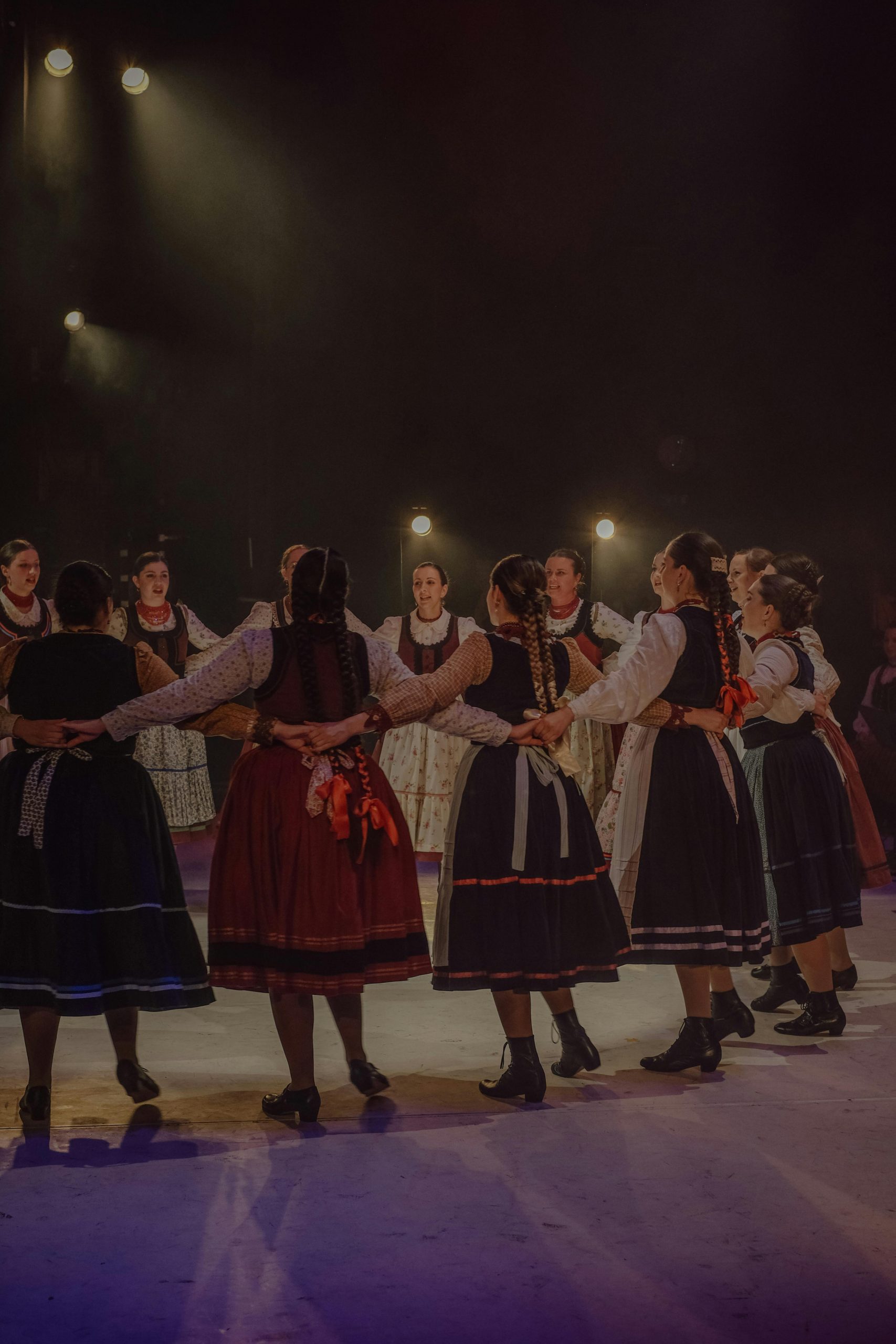
The lesson begins with Sarah sharing exciting news about her dance group, which has been invited to perform for a documentary about her village. The event feels important not only because it will be filmed, but because it celebrates a traditional dance that connects her to her community. Sarah explains that they will perform several dances, though she knows the final edit may only include a few moments. Even in this short exchange, her tone is grounded and realistic. She is excited, but she also understands that public presentations involve selection, editing, and compromise. It is a small but meaningful example of maturity.

From there, the conversation shifts into the main topic: first jobs. Sarah says she has never really had a formal job yet, though she has worked as an activity leader in a summer camp and expects to work during the summer with her mother in a village food service. She describes helping to prepare and serve a traditional Alsatian food at local summer festivals, where people gather in villages and towns for evening celebrations. The job sounds temporary, but to Sarah it clearly matters. It represents responsibility, effort, and the first real experience of being paid for her work.

One of the most charming moments comes when Sarah remembers a childhood business adventure. In primary school, she and a close friend sold homemade marmalade made from fruit from their gardens. Their mothers did most of the actual cooking, but the girls carried the products through the village and sold them to tourists. Sarah laughs at the memory, admitting that they probably looked like “motivated kids” standing in the street asking strangers if they wanted marmalade. What stands out most is not the money itself, though she proudly remembers earning around seventeen euros, but the feeling attached to it. For Sarah, earning money made her feel grown-up. It gave her a sense of pride, freedom, and possibility.

That emotional shift becomes one of the central themes of the lesson. Sarah explains that spending money you earn yourself feels very different from spending money you are given. When the money is yours, gained through effort, it becomes more precious. You think more carefully before using it. You feel proud of what it can buy because it represents your own work. This reflection shows Sarah reaching beyond simple vocabulary into a much deeper idea: that work gives value not just to money, but to personal effort and identity.

Sarah explains that spending money you earn yourself feels very different from spending money you are given.

Fruitloop adds perspective by sharing stories from her own first job in a liquor store. These stories bring the conversation to life and help Sarah connect abstract ideas to real workplace situations. The teacher explains how she learned to handle customers, place orders, manage stock, count money, and deal with emergencies. Her examples show that a first job teaches skills school often cannot: calmness under pressure, responsibility, problem-solving, and professional communication. Sarah responds thoughtfully, recognizing that jobs teach “real life” lessons. In her view, work helps people become more organized, more social, and better at reacting to difficult situations.

Professional communication becomes another important topic. Sarah describes it as speaking respectfully and formally, especially with people like teachers or customers. She understands that the way we speak changes depending on the relationship and context. Fruitloop develops this idea further by describing how workers must stay calm with angry customers, avoid shouting back, and use language to solve problems rather than escalate them. Sarah quickly connects this to patience, arguing that patience may be the hardest but most necessary skill of all. Without patience, she suggests, truly professional communication is impossible.

The conversation also explores teamwork and personal growth. Sarah reflects that some people prefer working alone because they want to control everything themselves, while others enjoy sharing tasks and collaborating. She seems to understand both sides. Her answers show an increasing awareness that work is not just about tasks; it is also about personality, social interaction, and learning how to function with others. A first job, in this sense, becomes a mirror. It reveals strengths, weaknesses, habits, and even the kind of person you do not want to become in a workplace.

That idea becomes clearer when Fruitloop shares examples of difficult coworkers: people who panic easily, lose their temper, or blame others unfairly. These anecdotes leave a strong impression. Sarah may not fully answer the question in direct terms, but the message is clear: workplaces teach us not only what to do, but how not to behave. Watching others mishandle pressure, conflict, or responsibility can become an education in itself.

Even as the lesson deals with serious ideas, it keeps Sarah’s natural humor and imagination alive. In the final section, the discussion turns playful with absurd prompts about training penguins to fly, surviving zombie coworkers, and making cats answer office phones. Sarah’s responses are funny and inventive. She suggests rewards for penguins, imagines not getting eaten by zombies as the main workplace goal, and proposes dressing a colleague in a cat costume to solve the phone problem. These moments are more than comic relief. They show Sarah’s creativity, quick thinking, and willingness to play with language even when she is unsure of the perfect words.

By the end of the session, the topic of first jobs has expanded into something richer: a reflection on adulthood itself. Sarah speaks about wanting to become a doctor, first in a hospital and later perhaps in her own practice. She imagines getting lost on her first day, but beneath the joke is a real sense of ambition. The lesson captures someone standing at the edge of future responsibility, still young enough to laugh about penguins and roller coasters, but already serious about work, self-respect, and the kind of professional she hopes to become.

What makes this exchange memorable is the balance between sincerity and humor. Sarah does not present herself as polished or certain. She thinks aloud, corrects herself, laughs at herself, and keeps going. That is exactly what gives the conversation its charm. In talking about marmalade, summer jobs, angry customers, and future dreams, she reveals that professionalism does not begin with perfection. It begins with showing up, learning from experience, and taking pride in doing your best.

source
The Pineapple

THE COOL BOSS MYTH (AND OTHER WORKPLACE FAIRY TALES

There is a very specific moment in every working life when the myth collapses.
The “cool boss” — generous, human, almost friend-shaped — flickers… and then, quietly, reasserts authority. Not loudly. Not cruelly. Just structurally.

Because power doesn’t disappear. It just learns to smile.

Martin’s first “cool boss” was his father — which sounds wholesome until you notice the subtext. Yes, there was knowledge. Yes, there was mentorship. But also: inevitability. You don’t negotiate with your father. You inherit him.

And somewhere between shared wisdom and unspoken hierarchy, Martin learned the first hidden truth of work:
the closer the boss is to you, the less room there is to escape them.

Manfred’s version is softer on the surface — cake, drinks, long hours sweetened by sugar and recognition. A workplace that feeds you, literally. But look again. The kindness appears during breaks. The work remains long.

Reward does not replace structure. It decorates it.

Then comes the question of loyalty — or what we like to call loyalty when it benefits us.

Martin doesn’t even pretend. He reframes the question entirely: he is “the victim of the lack of loyalty of my fellow humans.” It’s almost existential. Loyalty is not a workplace dynamic; it’s a missing human feature.

Manfred, meanwhile, tells a gentler story: he fell asleep at work, and no one woke him. A small rebellion. A collective silence.

It sounds kind. It is kind.
But it also reveals something sharper:

sometimes the system bends — not out of loyalty, but because everyone inside it is equally tired.

And then we arrive at the fantasy itself: the “too cool to be real” boss.

Martin dismantles it clinically. When bosses try to be your friend, he says, they are “thinking” they can be — which is not the same as being. It’s performance. A management style wearing sneakers.

Manfred is less diplomatic. Most bosses, he says, were simply “assholes.”

Between them, a full spectrum:

Both, somehow, remain bosses.

Friendship, of course, is the ultimate illusion.

Martin tried it — with his father, no less — and was denied. Not dramatically. Just… realistically. “He knew me too well.”

Which might be the most honest rejection possible.

Manfred doesn’t even attempt the illusion. He trusts instinct, not hierarchy softened into companionship.

Because the moment you call a boss a friend, you’ve already ignored the one thing that defines them: they can decide your future.

Enjoyment at work? That’s another trap disguised as a gift.

Martin separates it cleanly: enjoying work and trusting your boss are “two pairs of shoes.” You can wear both, but they are not a set.

Manfred keeps it simpler: honesty is the only policy. Which sounds obvious until you realize how rarely it appears in workplaces built on performance, perception, and quiet compromises.

And finally, the survival question:

Would you rather work under someone brilliant and terrifying, or useless and cool?

Martin flips it — almost mischievously. The world is already terrifying, he says. Better the useless boss. Let them “survive above us.”

It’s not admiration. It’s strategy.

Manfred, as always, cuts through: the only real question is whether the boss puts the company first.

Not you.
Not fairness.
Not friendship.

The company.

Pull quote:
“The cool boss isn’t a person. It’s a moment — and it never lasts longer than the structure that contains it.”

In the end, the “cool boss” exists. Briefly. In gestures. In cake. In silence when you fall asleep.

But beneath every moment of warmth sits the same quiet architecture:
someone decides, someone follows.

And no amount of friendliness ever fully rewrites that equation.

source

There is a very particular kind of silence that follows a mistake.

Not the loud kind—the shouting, the emails, the escalation. That comes later. The first moment is quieter. It is the split second where something lands wrong, and you realise, almost physically, that you would prefer to disappear.

Three men, on three continents, recognise that silence instantly.

In Cleebourg, The Mayor remembers pressing “send.” It was a normal email. Or at least it should have been. A note to his secretary about a client—sharp, perhaps a little too sharp. The kind of internal message that lives safely inside an organisation.

Except it didn’t.

It went to the client as well.

There is no training for that moment. No corporate framework. Just the immediate understanding: this cannot be undone. The contract was lost. Fairly, he says. Almost with a kind of respect for the consequence.

On the other side of the world, in Brazil, Ismar’s memory is different. Not quieter, but more physical.

A lieutenant, offended. A misunderstanding. A voice raised.

And suddenly, it is no longer about work—it is about hierarchy, power, dignity.

Ismar, second in command but still below rank, is accused of something he did not do. He answers back. Not submissively, not diplomatically, but at the same level. And in that moment, he is aware—not dramatically, just factually—that the other man is stronger. “Maybe 50% stronger,” he estimates. “In a fight he destroy me very easy.”

It is not fear in the emotional sense. It is calculation. Observation. The kind of thinking that has followed him his whole life: step by step, what is happening, what could happen next.

The kind of thinking that has followed him his whole life: step by step, what is happening, what could happen next.

The situation escalates, almost breaks. Then someone intervenes. And like many things in Ismar’s life, it ends not with resolution, but with a kind of unfinished acceptance.

“I didn’t do anything about it,” he says.

In Bangalore, Ritesh’s story is softer on the surface. No shouting. No lost contracts. No physical tension.

Just a name.

Or rather, the wrong name.

A daily stand-up call. A new employee. A sudden invitation to speak.

He is not prepared. Not because he is careless, but because he is new, still learning the rhythm, still understanding when to speak and when to observe.

His name is called.

Except it is not his name.

But in that moment, it is close enough. And so he begins to speak. Hesitates. Fumbles. Searches for something—anything—to say.

And then someone interrupts.

“It’s not Ritesh.”

The relief is immediate. The embarrassment lingers.

And the strange thing is, it keeps happening. Again and again. A confusion of names. A system that does not quite see him clearly yet. He adapts. Learns to say, “I have no update.” Learns to occupy the space without fully owning it.

It is small. Almost funny.

But it carries something deeper.

Because if you listen carefully, all three stories are about the same thing.

Not mistakes.

Position.

Ritesh would probably explain it differently. He has a habit of seeing two sides to everything. It is almost instinctive.

On one side, mistakes are human. Everyone says this. Leaders say this. Books say this. “You are allowed to make mistakes.”

On the other side, when the mistake actually happens, something shifts.

Responsibility becomes individual. Blame becomes precise.

There is a moment—he has seen it many times—where the language changes. From “team” to “this person.” And in that moment, the culture reveals itself.

“It is contradictory,” he says, in his careful way. “We all make mistakes… but we don’t accept mistakes from others.”

He does not say this angrily. He does not accuse. He observes. That is his way—shaped by a life lived between structure and openness, between hierarchy and questioning.

He remembers his early days at work. The desire to impress. To prove himself. To do more.

In India, he explains, there is often a fear beneath performance. Not always visible, but present. “If you work well, they will make you permanent.”

So he and his colleagues worked harder. Faster. Took on more. They doubled output.

And for a while, it felt like success.

But the other side came later.

Because once you create a benchmark, it becomes expectation. Once you prove you can do more, you are required to do more. And slowly, without anyone explicitly saying it, the system tightens.

Even Saturdays, which once felt like freedom—air-conditioned offices, exploration, possibility—become something else.

Obligation.

The seniors saw it coming. They did not say anything. But it was visible, in their expressions. That quiet recognition: you are creating something that will hurt you later. And perhaps hurt us too.

Ismar listens to this with a kind of calm distance. He does not disagree. But he approaches it differently.

“I never tried to impress,” he says.

Not because he lacked ambition, but because he sees intention differently. To impress someone, especially a boss, implies future advantage. And for him, that crosses into something not entirely ethical.

So he chose another path: do the work well.

Not for recognition. Not for positioning.

Just because it should be done well.

There is something almost old-world in this. A moral clarity that does not fully align with modern corporate systems. But also, perhaps, a reason for his isolation.

He understands social rules very clearly—what people expect, how people behave—but he does not always participate in them.

And so he stands slightly outside.

Observing.

Accepting.

Sometimes questioning, but rarely resisting.

The Mayor, somewhere between these two worlds, recognises both.

He has lived long enough to remember technologies that no longer exist—telex machines, fax rolls, the physical act of sending information through time and cost constraints.

He has also lived long enough to know that embarrassment does not change.

Whether it is a failed email, a broken Teams call, or a misconfigured audio system during an important meeting—first impressions still matter.

Even now.

Especially now.

And perhaps that is what connects all three men most clearly.

Not the mistakes themselves.

But the awareness of how quickly a small error can become something larger.

A lost contract. A threatened report. A damaged KPI. A shaken sense of self.

There is a moment in the conversation where the topic shifts slightly—from mistakes to excuses.

And here, something almost playful emerges.

Ritesh admits—openly, almost with a smile—that in his early career, he and his colleagues lied.

Not dramatically. Not maliciously.

But creatively.

“It was correct at that time… maybe something updated after.”

They knew it was traceable. The managers knew it too.

And yet, the ritual continued.

Because beneath the system, there is always something human trying to survive it.

He laughs about it now. But he also reflects on it.

When younger colleagues make the same excuses to him, he recognises it immediately. And he chooses not to expose them.

Because he remembers.

And because somewhere along the way, he has understood something important:

Mistakes are not just technical events.

They are emotional events.

They shape how people see themselves. How safe they feel. How they speak—or stop speaking.

Ismar, when asked whether mistakes make us better, hesitates.

“I don’t know if I agree completely,” he says.

He has heard the idea—that mistakes are teachers. But he approaches it cautiously.

What he does see clearly is something else.

A person who never makes mistakes might become less tolerant. Less compassionate. More rigid.

And so perhaps mistakes are not valuable because they teach us skills.

But because they soften us.

Make us more understanding. More patient with others.

It is not a dramatic conclusion.

But it carries weight.

By the end, the conversation does not resolve anything.

There is no neat conclusion about work culture, or fear, or performance.

Just three perspectives, sitting side by side.

A younger man navigating pressure and expectation, trying to find balance without losing himself.

A retired man looking back with realism, not bitterness, aware of both the limits and the dignity of his path.

And a Mayor, somewhere in between, still amused, still slightly embarrassed, still learning—despite everything.

If there is a common thread, it is this:

No system has yet found a way to remove the human from work.

Not completely.

And maybe that is a good thing.

Because in the end, it is not the perfection that connects us.

It is the mistake.

The moment we want to disappear.

And the quiet relief, when we realise we are not the only one.

source
The Pineapple

Peeling Potatoes 42: Balloons, Bosses & the Day We Forgot to Go Fishing

They press the red button.

There’s always that tiny moment—half technical check, half existential question—are we actually live? And then, like always, they are.

“Okay… we’re live.”

“Get rid of that message.”

“Which message?”

“The one saying we’re being recorded. After yesterday… I don’t trust anything.”

And just like that, the tone is set. Not polished. Not scripted. Not safe. Just… real.

Because yesterday, apparently, the recording didn’t happen. A full lunch conversation—gone. Deleted by fate, technology, or what The Mayor calls “some higher editorial decision that this was not for public consumption.”

Fruitloop, ever the practical one, reframes it:

“I think it was a test. To see what we actually remember.”

And suddenly, memory becomes the theme. Not the neat kind. The messy, human kind.

He’s sitting in a physiotherapy clinic, typing notes from memory. Realising halfway through that he’s only remembered his side of the story.

“And then I thought… wait… what did the other two say?”

And like a delayed echo, it all comes back—comments, jokes, even the completely absurd image of someone “smoking a camel on the back of a camel.”

The Mayor pauses, briefly stepping into his public service announcement voice:

“Smoking is not good. Do not smoke.”

“Do not smoke at home.”

“Do not smoke. Point blank.”

And just like that, seriousness is introduced… and immediately undercut. Classic.

It’s Episode 42. Or maybe 43. Or maybe no one knows anymore.

“It’s been that kind of week,” Fruitloop admits.

And you feel it. Beneath the jokes. Beneath the rhythm. There’s fatigue. Real life pressing in.

But then—

“Happy birthday. Belatedly.”

And everything softens.

What follows is not just a story. It’s a family operation.

A covert birthday mission involving:

“Dad and I are going fishing.”

“Okay, enjoy.”

They don’t go fishing.

They go to the mall.

They return early.

“We forgot.”

“You forgot… to go fishing?”

“Yes.”

There’s something almost poetic about that lie. Not clever. Not convincing. Just… lovingly inadequate.

Meanwhile, Fruitloop stays in bed. Coffee. Quiet. Let them orchestrate chaos.

But chaos doesn’t stay contained.

It spills into:

And then:

“Come sit on the couch.”

Flowers. From The Mayor.

Photos. Pajamas vetoed. Hair brushed.

A gift from her son.

And in that moment, between balloons and badly kept secrets, something lands.

Not loudly. Not dramatically.

Just… love.

The Mayor listens, half storyteller, half anthropologist of human behavior.

“Isn’t love a wonderful thing?”

But he can’t help himself. He zooms out.

This isn’t just a birthday. It’s material. It’s story. It’s what Fruit Loop’s reflections have become.

“They used to be motivational… a bit abstract.”

Now?

“They’re about the chaos. The real stuff. The relatable stuff.”

And that’s where the deeper layer sneaks in.

Because somewhere between mud-covered children destroying gardens and lost water bottles that no one is actually sad about losing… there’s connection.

Other parents reading and thinking:

“Oh thank God… it’s not just me.”

Then the tone shifts again. Slightly sharper. Still playful.

The Mayor notices a pattern.

“You were overruled about the water bottle…”

“Yes.”

“And now you overrule me.”

“Sometimes.”

“Ah.”

And there it is. One of those Peeling Potatoes truths that arrives disguised as a joke:

“I agree with you… then I tell you what to do.”

They both pause.

Because that sentence? That’s not just funny. That’s structural. That’s life. That’s relationships. That’s power dynamics in disguise.

Three women on his side. Three men on hers.

Different continents. Same story.

Then work enters the room.

Carefully.

Like someone bringing in a tray that might spill.

“Crazy co-workers. Cool bosses.”

The Mayor, naturally:

“I am the coolest boss on this planet.”

Fruit Loop, naturally:

“And you’re the crazy co-worker.”

No hesitation. No mercy. But also no harm. Because this is affectionate roasting. The kind that only works when trust is already there.

And then… the Portuguese manager.

Monday mornings. 9:15. Greek tragedy.

You walk into the room feeling optimistic.

You see his face.

Game over.

Complaints. Targets. Micromanagement. Energy sucked out of the room before the week even begins.

“It was heavy,” she says. “Like you couldn’t breathe.”

But on his days off?

“Best place to work.”

And there’s the lesson. Not stated. Not highlighted. Just… sitting there.

Atmosphere matters.

People matter more than process.

They drift again. Food. Culture. Brida.

The Mayor imagines feeding the entire community. Immediately overwhelmed.

Ralph the Grillmeister.
Vegetarians in India.
French pastries.
South African fat cakes.

It becomes a buffet of identities.

And then the quiet realization:

“We already have the Brida cookbook.”

Of course they do.

Because of course this isn’t just about food.

It’s about bringing people together through what they already are.

And then… the excuses.

Oh, the excuses.

But this one?

Not an excuse.

A taxi accident. Door falls off. Literally falls off.

Hospital visits. Bandages. Photos as proof.

Not exaggerated. Not embellished.

Just… real life being absurd enough on its own.

And then Fruitloop:

“I was three hours late once.”

Truck jackknifed. 15 kilometers of traffic. No escape route.

Arrived at 11.

No punishment.

“Reasonable excuse.”

And again, quietly, something lands:

Sometimes life just happens.

And the system either understands that… or it breaks people.

Then the curveball.

Always the curveball.

“If I believed I was a secret spy… would you play along?”

The Mayor doesn’t hesitate.

“Yes.”

But with a caveat.

“We need a backup plan.”

Because even in absurdity… he’s still The Mayor.

And then the final question.

The one that sounds simple.

Three words.

Ideal boss.

Fruitloop:
“Relaxed. No complaining. Optimistic.”

A pause.

The Mayor tries to recover.

Because he knows… he’s close. But not quite there.

“30%,” she says.

And somehow… it’s honest. And kind.

He responds in his way.

“Honest. Communicative. Professional soulmate.”

And suddenly the room changes.

Because now we’re not joking anymore.

Not really.

Because that last one? That’s rare. That’s fragile. That’s what this whole thing is built on.

And then, just before they drift off:

A fitness planner.
A rediscovered project.
Pages of intention from years ago.

“I’m proud of myself.”

And you believe her.

Because nothing here is performative.

It’s all slightly messy. Slightly unfinished. Slightly chaotic.

They wrap up.

Not neatly.

Never neatly.

“Episode 42… I think.”

“Have a nice weekend.”

“Don’t do anything I wouldn’t do.”

And somewhere between the laughter, the chaos, the balloons, the mud, the lost bottles, the secret spy scenarios, and the quiet acknowledgements…

You realize what you’ve just been part of.

Not a podcast.

Not a script.

But exactly what their tone promises:

A warm, slightly absurd, deeply human conversation… where nothing is perfect, everything is shared, and meaning just… appears.

Partner Page
Advertisement